
Product images have been enhanced with AI. To see the actual products, contact our sales team for photos of the machines on site.
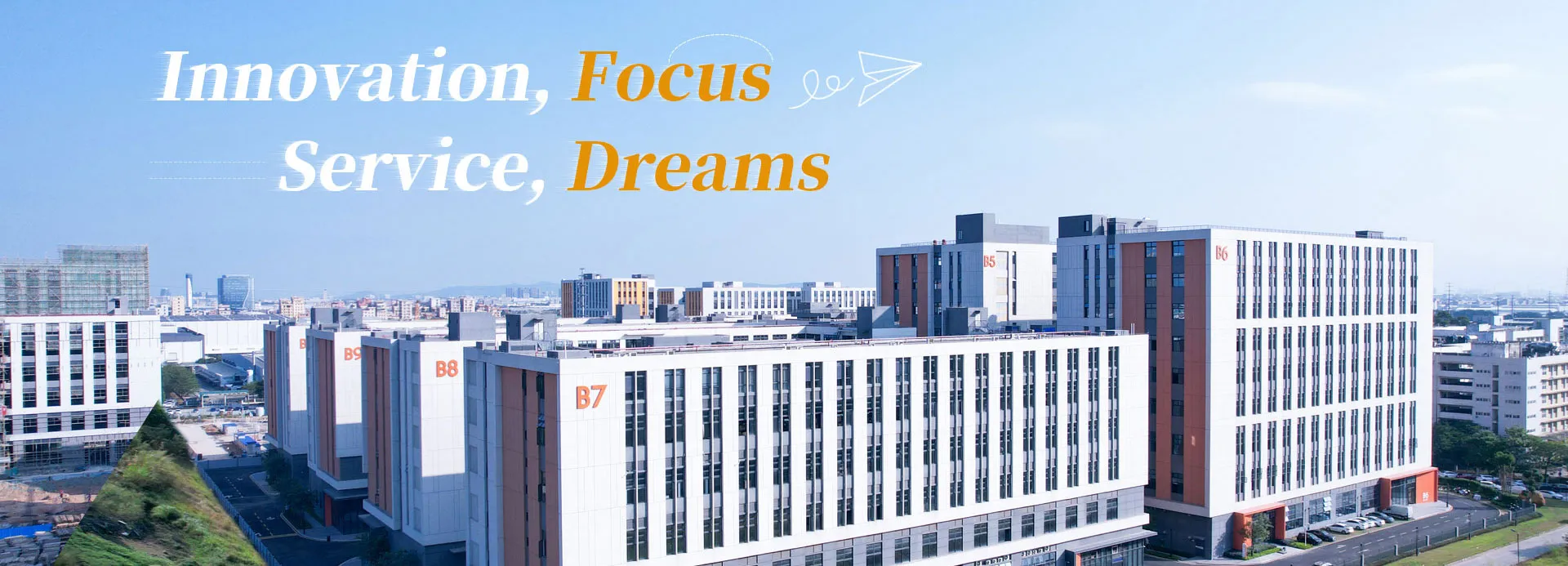
Our purpose-built PET mold manufacturing facility in Foshan integrates advanced CNC machining, precision assembly, and quality inspection under one roof — enabling complete control over every stage of preform tooling and mold production.
Product images have been enhanced with AI. To see the actual products, contact our sales team for photos of the machines on site.
Engineering & Design Center
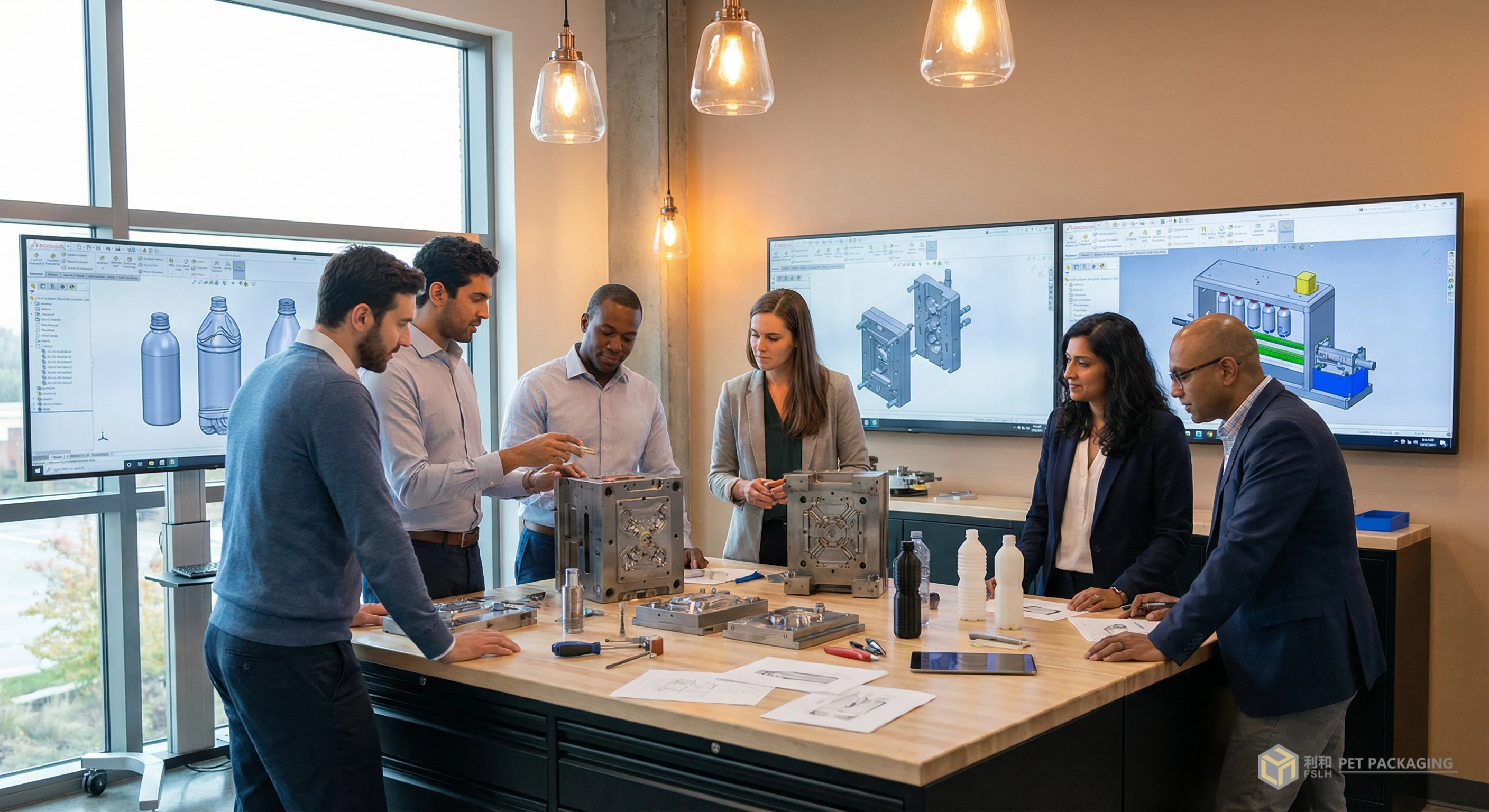
Our design center houses dedicated CAD/CAM workstations where experienced mold engineers develop and validate mold designs using 3D simulation and flow analysis before production begins.
Production Workshop
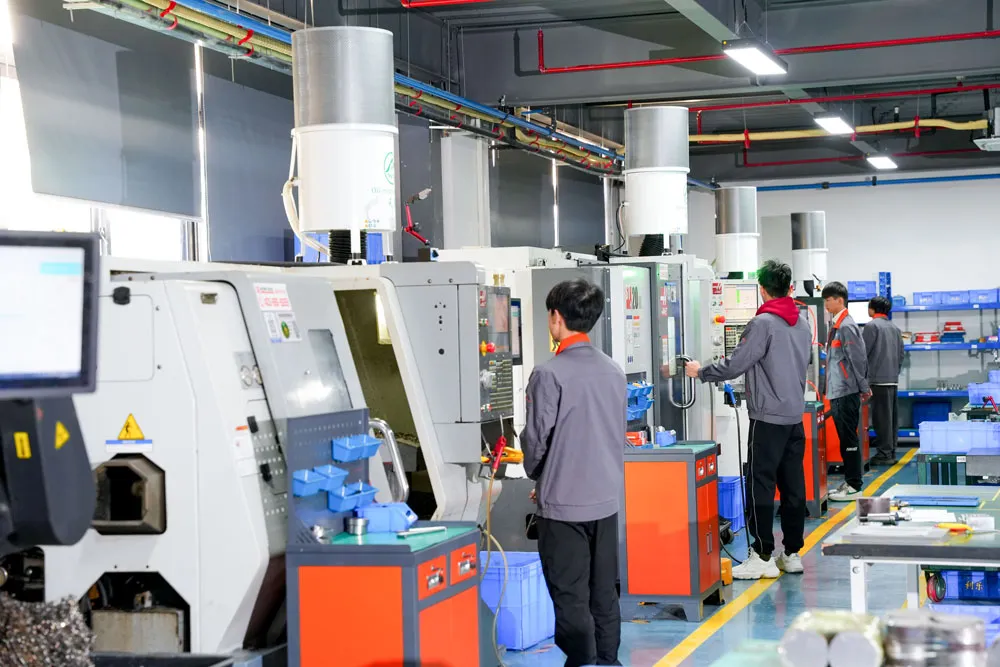
Over 10,000 sqm of climate-controlled production floor space equipped with high-precision CNC machining centers, EDM machines, and grinding systems from world-leading manufacturers.
Product images have been enhanced with AI. To see the actual products, contact our sales team for photos of the machines on site.
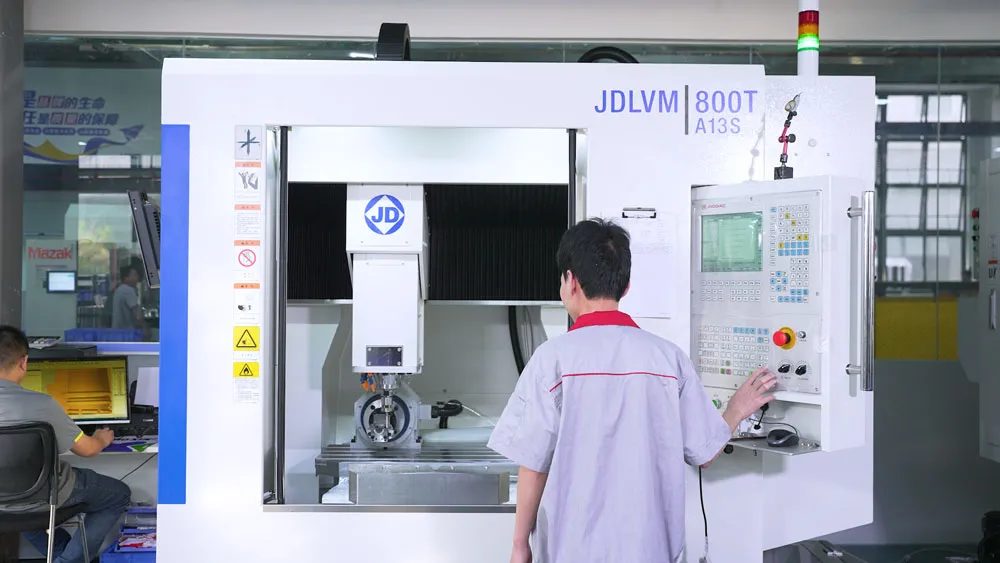
CNC Machining Centers
Multi-axis CNC systems from Mazak, Makino, and Haas deliver micron-level precision for mold core, cavity, neck ring, and mold base components.
Product images have been enhanced with AI. To see the actual products, contact our sales team for photos of the machines on site.
Advanced Processing Equipment
High-speed EDM, wire-cut EDM, and precision surface grinders from Okamoto and Sodick ensure superior surface finish and tight tolerances on critical gate insert, valve pin, and mold core cavity components.
Product images have been enhanced with AI. To see the actual products, contact our sales team for photos of the machines on site.
Quality Inspection Lab
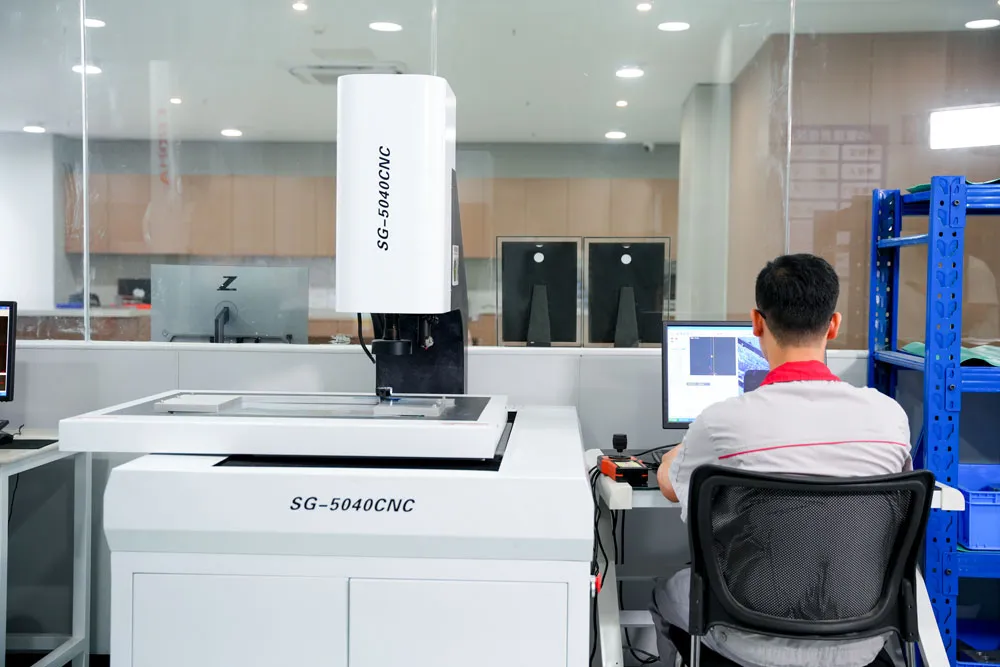
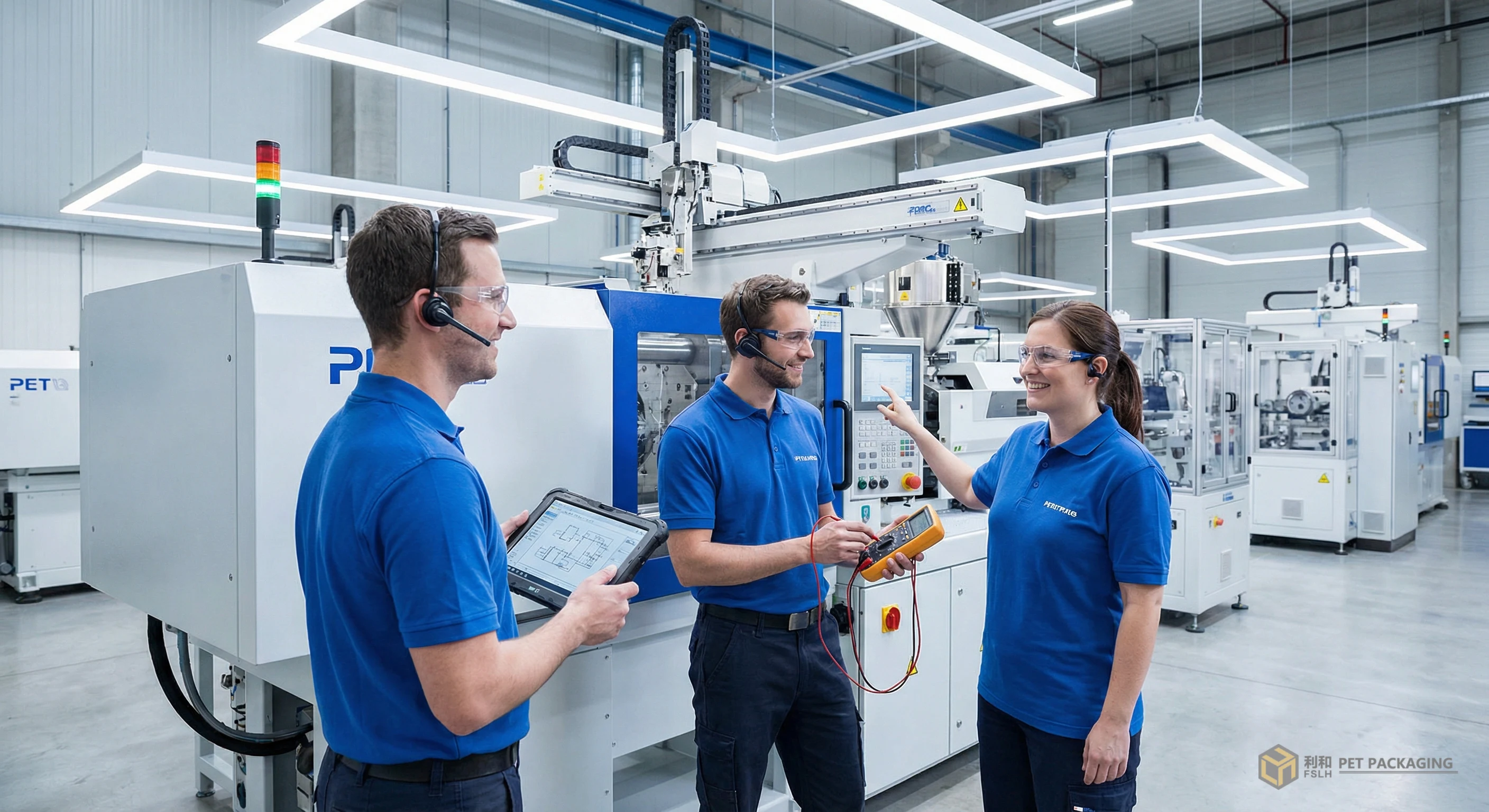
Zeiss coordinate measuring machines, 3D profile scanners, and optical comparators provide comprehensive dimensional verification at every production milestone.

Product images have been enhanced with AI. To see the actual products, contact our sales team for photos of the machines on site.
Global Sales Network
Our molds are delivered to customers across 50+ countries spanning Asia, Europe, the Americas, Africa, and the Middle East. Regional sales representatives and technical service partners ensure responsive local support.
Product images have been enhanced with AI. To see the actual products, contact our sales team for photos of the machines on site.
After-Sale Technical Support
Dedicated service engineers provide remote troubleshooting, on-site technical assistance, spare parts supply, and mold refurbishment programs to keep your injection molding production running at peak performance.
Product images have been enhanced with AI. To see the actual products, contact our sales team for photos of the machines on site.
Custom Solutions
Beyond standard mold configurations, we engineer custom solutions for unique bottle designs, specialized PCO 1881 and 29/25 neck finishes, rPET material trials, and production line conversions — tailored precisely to your beverage packaging requirements.
Inside the LIHE PET mold factory: how a preform mold moves from design to shipping
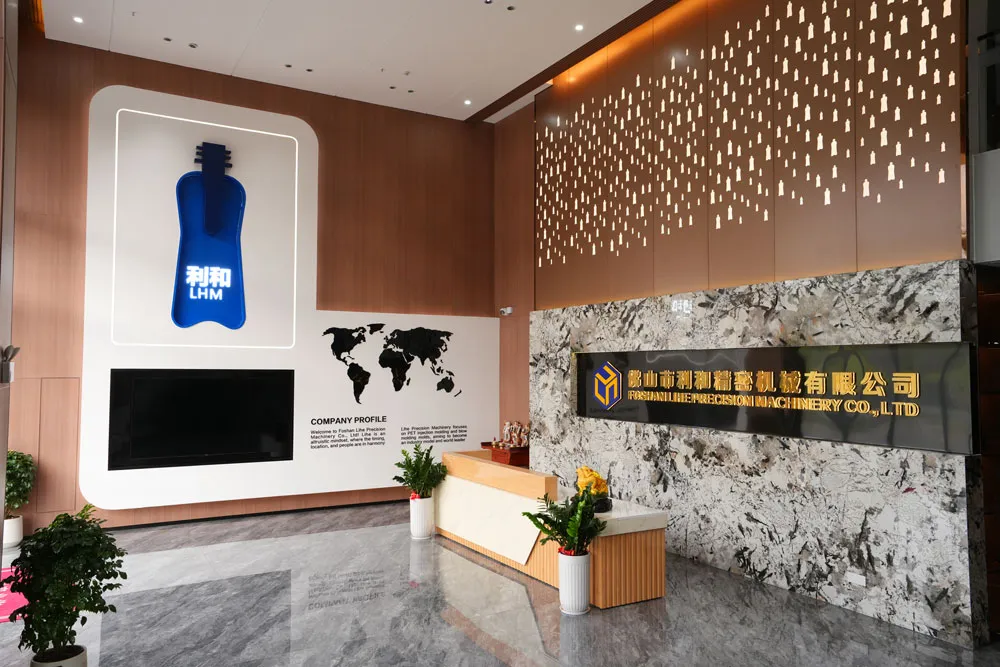
The LIHE factory is a 15,000 sqm PET mold manufacturing facility in Shishan Town, Nanhai District, Foshan, China, where preform molds, blow molds, closure molds and hot runner components are designed, machined, assembled and inspected on one site. This guide follows a mold through each stage of the facility, lists the capacity figures that matter for planning, and explains what support continues after the mold has shipped.
Stage 1: mold design, 3D simulation and flow analysis
Every project starts in the engineering and design center. Decisions made here fix cavitation, cooling layout and part geometry, so most later problems are cheaper to prevent at this stage than to correct on the shop floor.
- The preform, closure or bottle drawing is checked against the neck finish standard, for example PCO 1881, PCO 1810, 29/25 or 38mm.
- The mold is modelled in CAD and the machining programs are prepared in CAM.
- 3D simulation and flow analysis are used to check filling balance and cooling before any steel is cut.
- Lightweighting or cooling changes are evaluated at this stage, for example a preform weight reduction of 1g to 2g or a neck cooling time reduction of up to 0.5 seconds.
Stage 2: CNC machining, EDM and grinding of cores, cavities and neck rings
Machining takes place on over 10,000 sqm of climate-controlled production floor. A stable temperature matters because steel expands and contracts with heat, and multi-cavity molds depend on every cavity being machined to the same dimensions.
- CNC machining centers from Mazak and Makino (Japan) and Haas and Hardinge (USA), plus Beijing Jingdiao high-speed machines, cut cores, cavities, neck rings and mold base plates.
- Sodick EDM machines produce fine features and sharp internal shapes that cutting tools cannot reach, such as details on gate inserts.
- Okamoto grinders finish mold base plates and critical faces for flatness and parallelism.
- Mold bases for preform molds up to 160 cavities are machined on Mazak, Makino and Haas equipment and ground on Okamoto.
Stage 3 and 4: assembly and quality inspection with Zeiss CMM
Machined parts are measured before and after assembly. The quality lab is equipped with a Zeiss coordinate measuring machine, a 3D profile scanner, an optical projector and bottle sample inspection equipment. These checks are what stand behind LIHE's published process capability of CPK ≥ 1.33 and operational defect rates as low as 0.0064%.
- Zeiss CMM: measures the 3D geometry of cores, cavities, neck rings and mold bases against the CAD model.
- 3D profile scanner: captures 3D surface shapes for comparison with the design model.
- Optical projector: checks small profiles such as neck threads and edges.
- Bottle sample inspection: evaluates finished bottle samples for blow mold projects.
- Validation and inspection reports are supplied to the customer on request.
Stage 5: sample evaluation, packing and shipping
Before a mold leaves the factory, buyers commonly agree an acceptance step: a review of inspection data and, where the project calls for it, of sample preforms or bottles. This is often called a factory acceptance test. Agree the acceptance criteria, sample quantities and report format in the purchase order so that both sides measure the same things.
- Pilot molds are delivered in 20 days, which lets you approve a new design on samples before ordering full cavitation.
- Standard PET molds are delivered in 8 weeks.
- Replacement parts and cap mold parts are delivered in 4 weeks.
- Molds are shipped to customers in more than 50 countries across Asia, Europe, the Americas, Africa and the Middle East.
LIHE factory capacity in numbers
| Capacity item | Figure | Note for planning |
|---|---|---|
| Total facility | 15,000 sqm | Design, machining, assembly and inspection on one site |
| Climate-controlled production floor | Over 10,000 sqm | Stable conditions for precision machining |
| Preform mold cavities produced | Over 12,000 per year | Basis for repeat cavities and spare parts |
| Preform mold size | 32 to 160 cavities | Mold bases built for up to 160 cavities |
| Closure injection molds | 12 to 72 cavities | One-piece, two-piece and tethered caps |
| Hot runner systems | Up to 144 preform or 96 closure cavities | Valve gate design |
| Mold durability | Up to 8 million shots | On Husky, SACMI and Netstal platforms |
| Experience | 20+ years | Mold manufacturing in Foshan |
The full PET mold workflow, step by step
- Step 1: Engineering review of the drawing or sample, neck finish, cavitation and machine model.
- Step 2: CAD design, 3D simulation and flow analysis, followed by design approval by the customer.
- Step 3: CNC machining, EDM and grinding of cores, cavities, neck rings and the mold base in the climate-controlled workshop.
- Step 4: Measurement of critical parts on the Zeiss CMM, then assembly of the mold or hot runner.
- Step 5: Final inspection and the agreed acceptance step, with validation and inspection reports on request.
- Step 6: Packing and shipping, followed by mold installation and machine start-up support at the customer's plant.
After-sales support: installation, preventive maintenance and refurbishment
Support does not end at shipment. LIHE's dedicated technical team covers the period from installation through years of production.
- On-site machine interface audits before or during installation.
- Mold installation and machine start-up support.
- Regular preventive maintenance to keep wear parts within tolerance.
- Remote troubleshooting and on-site technical assistance.
- Spare parts supply, with replacement parts in 4 weeks.
- Mold refurbishment programs and complete overhauls that restore aging molds to OEM-level efficiency.
- Hot runner refurbishment with replacement nozzle tips, valve pins, heaters and seals; Husky Ultra-type hot runners carry a 3-year leakage-proof guarantee.
Frequently asked questions
- Where is the LIHE factory?
- The factory is in Shishan Town, Nanhai District, Foshan, Guangdong, China. LIHE also has a sales office in Taiwan.
- Which machine tools does LIHE use?
- CNC machining centers from Mazak, Makino, Haas, Hardinge and Beijing Jingdiao, Sodick EDM machines and Okamoto grinders. Inspection uses a Zeiss CMM, a 3D profile scanner, an optical projector and bottle sample inspection equipment.
- How long does it take to build a PET preform mold?
- The published lead time for a standard PET mold is 8 weeks. Pilot molds take 20 days, and replacement parts and cap mold parts take 4 weeks.
- Why does climate control matter in a mold factory?
- Steel changes size with temperature. Machining in a stable environment helps every cavity of a multi-cavity mold reach the same dimensions, which is important when a mold has up to 160 cavities.
- Does LIHE help install the mold at our plant?
- Yes. The technical team provides on-site machine interface audits, mold installation and machine start-up support, and remote troubleshooting afterwards.