
Accessories
Precision-machined accessories and conversion parts for PET blow molding equipment. Including blowing pins, mold shells, clamping bases, guide pin and bushing sets, and custom adapters for neck finish modifications, capacity changes, and cross-platform mold conversions. Engineered to OEM specifications for seamless equipment integration with SIDEL, KRONES, and KHS platforms.
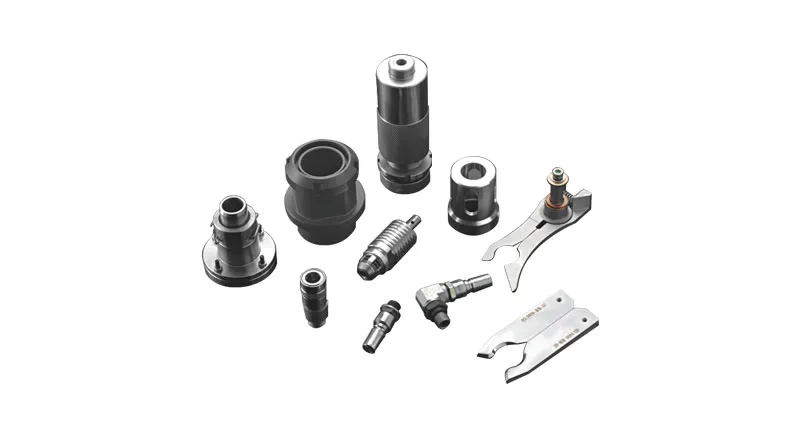
Accessories Kit
Personalized parts for blow molding machines: parts needed for neck finish changes, bottle shape and...
View Details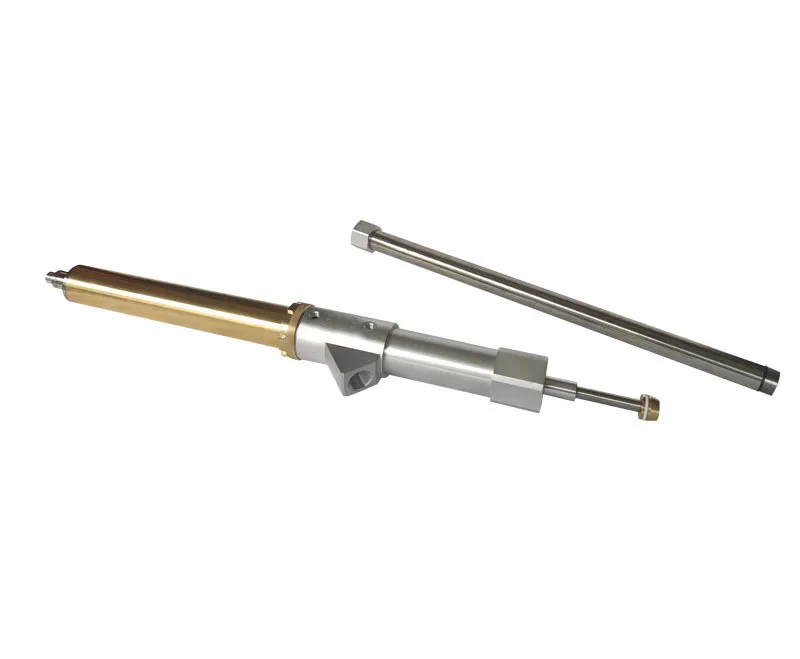
Blowing Pins & Stretch Rods
Blowing nozzles, blowing pins and stretch rods for PET stretch blow molding machines. These parts se...
View Details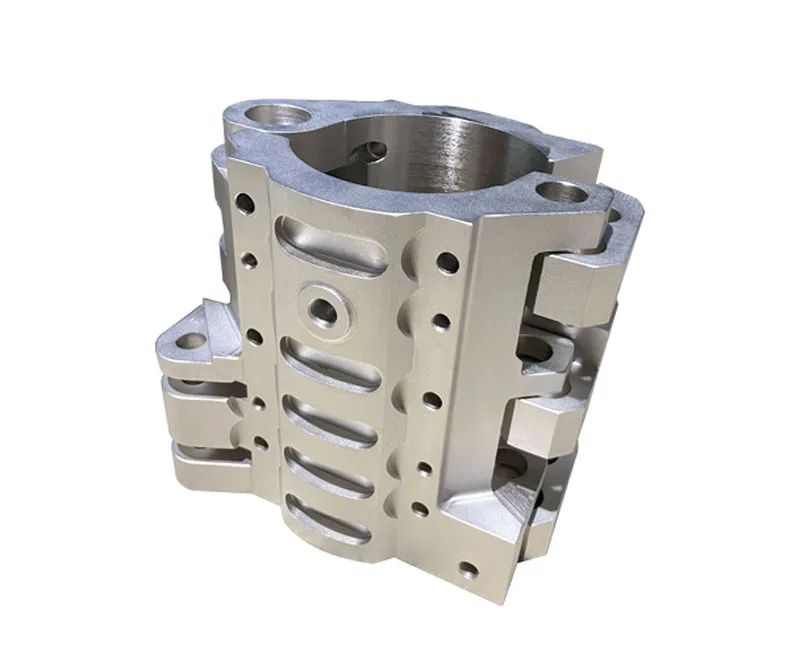
Clamping Base
Clamping bases (mold carrier bases) that hold the blow mold shells and base mold in the blowing stat...
View Details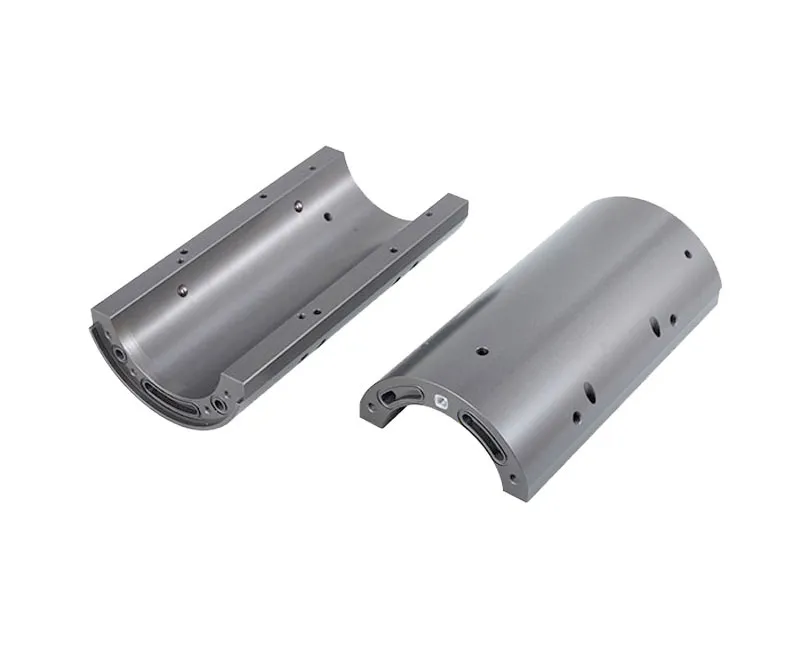
Mold Shell
Mold shells (shell holders) that carry the bottle cavity halves in the blowing machine's mold carrie...
View Details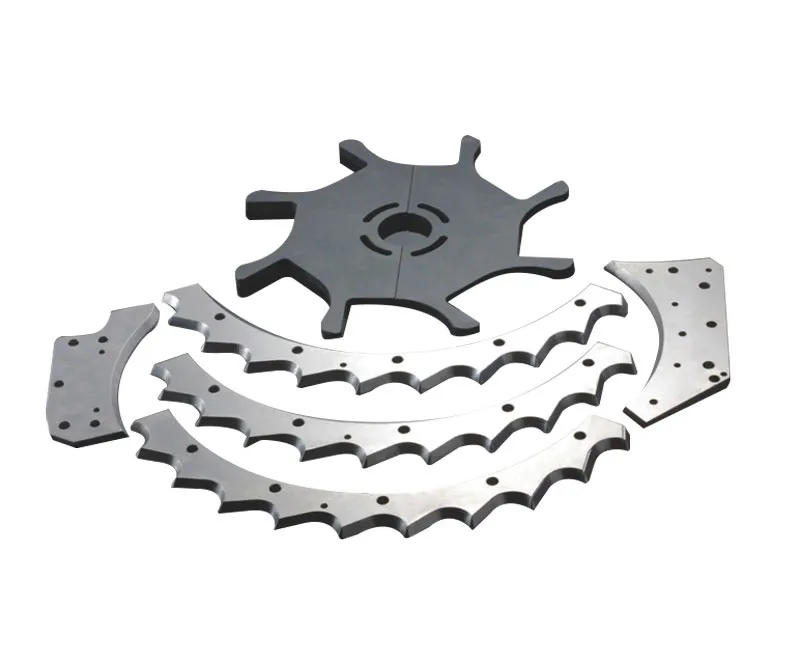
Conversion Parts
Format change parts for PET blowing and bottle handling lines, such as star wheels, transfer guides ...
View DetailsProduct images have been enhanced with AI. To see the actual products, contact our sales team for photos of the machines on site.
Blow molding accessories and conversion parts: blowing pins, stretch rods, mold shells, clamping bases and change parts, and when to replace them
A blow molding accessory is a machine-side part, such as a blowing pin, stretch rod or mold shell, that is replaced for wear or for a format change. Blow molding accessories are the machine-side parts that hold, seal, stretch and transport the preform and the blow mold in a PET stretch blow molding machine, as opposed to the cavity that gives the bottle its shape. They are replaced for two reasons: wear during production, or a format change to a new bottle, preform or neck finish. This guide gives an overview of each part group, the signs that it needs replacement, and how to plan a spare parts or format change package for SIDEL, KRONES, KHS and other blowing machines.
Main groups of blow molding accessories and conversion parts
- Blowing nozzles and blowing pins: seal on the preform neck and deliver pre-blow and high-pressure blowing air.
- Stretch rods and stretch rod tips: push the heated preform down to the base before and during blowing, so the material is stretched lengthwise.
- Mold shells (shell holders): carry the bottle cavity halves in the mold carrier and connect them to the cooling circuit.
- Clamping bases (mold carrier bases): mount and locate the mold shells and base mold in the blowing station.
- Change parts for bottle handling: star wheels, infeed and transfer guides and neck grippers that move preforms and bottles through the machine.
- Cross-machine conversion parts: adapters that let one blow mold run on a different blowing machine.
Blow molding accessories replacement table
| Part | Function | Replace when (wear) | Replace when (format change) |
|---|---|---|---|
| Blowing nozzle / blowing pin | Seals the neck and supplies blowing air | Air leaks at the neck, marks on the neck finish, damaged sealing surface | New neck finish or preform |
| Stretch rod and tip | Stretches the preform to the base | Bent rod, worn tip, off-center gate on the bottle base | New bottle height or preform length |
| Mold shell | Holds cavity halves, carries cooling water | Worn fit surfaces, cooling leaks, cavity halves no longer seat firmly | Different machine or shell system |
| Clamping base | Locates shells and base mold in the carrier | Damaged locating faces, parting line marks, misalignment after mold changes | Different machine or mold carrier |
| Star wheels, guides, neck grippers | Transport preforms and bottles | Worn pockets or grippers, transfer jams, scuffed bottles | New bottle diameter, shape, capacity or neck finish |
Wear-related replacement: signs to watch in production
Accessories wear gradually, so a preventive maintenance plan that checks them at fixed intervals is cheaper than waiting for a stop. The signs below are typical across two-step stretch blow molding machines.
- Rising air consumption or a hissing sound at the blowing station often points to worn seals or sealing surfaces on blowing nozzles and pins.
- Bottles with an off-center injection point on the base usually indicate a bent stretch rod or a worn stretch rod tip.
- A visible step or flash at the parting line, or bottles that vary between cavities, can come from worn clamping bases or mold shells that no longer locate the cavity halves precisely.
- Uneven bottle temperature after blowing, or water traces around the mold, suggest a leak or blockage in the shell cooling connections.
- Frequent transfer jams, fallen preforms or scuffed bottles point to worn star wheel pockets, guides or neck grippers.
- Keep one set of the fastest-wearing parts in stock; LIHE's published lead time for replacement parts is 4 weeks.
Format change parts: new bottle, new preform, new neck finish
A format change is any change in the bottle or preform that the machine has to handle. Each type of change affects a different set of parts, and the parts are often delivered together with the new blow mold as one format change package.
- New neck finish or preform: blowing nozzles or pins, neck grippers, preform infeed parts and, if the preform length changes, stretch rods.
- New bottle shape or capacity, for example from 500ml to 1.5L: cavity halves or inserts, base mold, star wheels and guides sized to the new bottle diameter.
- Hot-fill bottles, filled at about 85 to 95°C, need heat-set blow molds, because standard PET deforms above about 60°C; check whether the shells and cooling or heating connections suit the new mold.
- Cross-machine conversion: when a bottle designed for one blowing machine must run on another, conversion parts adapt the mold to the second machine's carrier and blowing station.
- Replacement and conversion parts are made from customers' existing parts or drawings for SIDEL, KRONES, KHS and other blow molding machines.
Mold shells and quick-change systems
With a shell system, the mold shells stay in the machine and only the lighter cavity inserts change between bottle formats. This follows the same idea as single-minute exchange of die (SMED): reduce the number of parts and adjustments that change during a changeover.
- Shells are usually machined from lightweight aluminum alloy, which makes handling easier and conducts heat well.
- New bottle formats can be supplied as cavity inserts only, if the shell system stays the same.
- LIHE also builds split-type quick-change blow molds, and KHS InnoPET Blomax and Krones Contiform cold fill sets.
- Check fit surfaces and cooling connections on the shells whenever inserts are changed, because a worn shell affects every format that runs in it.
How to plan a spare parts or format change package
- Step 1: List the machine brand, model and number of blowing stations, and the bottle formats that run on it.
- Step 2: Decide whether the request is for wear replacement, a new format or a cross-machine conversion, because each needs a different set of parts.
- Step 3: Collect references for every part: original part numbers, drawings, or one used part per type as a sample.
- Step 4: For a new format, add the bottle and preform drawings and the neck finish so blowing pins, grippers and star wheels are made to match.
- Step 5: Send the list to sales@lihe-preform.com; parts for a new format can be delivered together with the blow mold to shorten the product launch.
Frequently asked questions
- Can you make blowing pins and stretch rods for SIDEL, KRONES or KHS machines?
- Yes. These parts are made from customers' existing parts or drawings for SIDEL, KRONES, KHS and other blow molding machines, and are matched to the preform neck finish.
- Do I need new mold shells for every new bottle?
- Not if you use a shell system. The shells stay in the machine and only the cavity inserts and, if needed, the base mold change for the new bottle.
- How long does it take to get replacement accessories?
- LIHE publishes a lead time of 4 weeks for replacement parts. For a new format, parts can be delivered together with the new blow mold.
- Which parts change when I switch to a new neck finish?
- Typically the blowing nozzles or pins, the neck grippers and the preform infeed parts, and the stretch rods if the preform length changes. The preform mold itself also needs new neck rings.
- Can one blow mold run on two different blowing machines?
- Yes, with cross-machine conversion parts that adapt the mold to the second machine's mold carrier and blowing station.