
Product images have been enhanced with AI. To see the actual products, contact our sales team for photos of the machines on site.
Blowing Pins & Stretch Rods
Blowing nozzles, blowing pins and stretch rods for PET stretch blow molding machines. These parts seal the preform neck, guide the stretch rod and deliver pre-blow and high-pressure air, so their fit and wear directly affect bottle quality and air consumption.
- Parts: Blowing nozzles, blowing pins, stretch rods, stretch rod tips and seals.
- Neck finish matching: Made to the preform neck finish, including conversions to new neck finishes.
- Precision fit: Ground and polished sealing and guiding surfaces for a reliable seal and straight stretching.
- Machine compatibility: Made from customers' existing parts or drawings for SIDEL, KRONES, KHS and other blow molding machines.
- Replacement: Supplied as spare parts or as part of a format conversion package.
Quotes and technical questions are handled directly by the manufacturer's international sales department.
Related Products
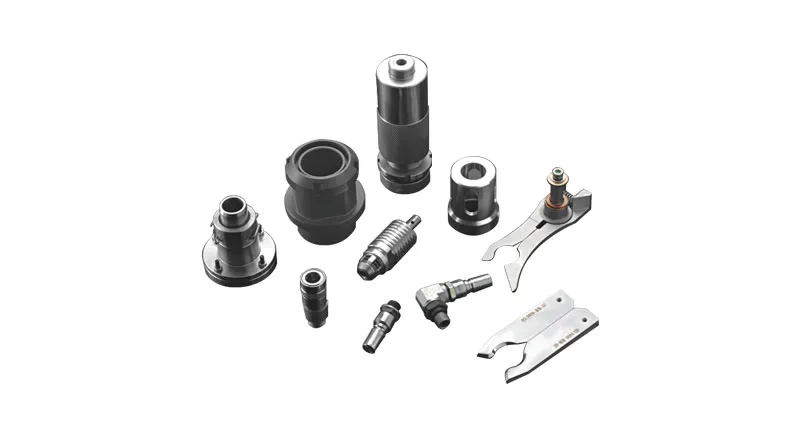
Accessories Kit
Personalized parts for blow molding machines: parts needed for neck finish changes, bottle shape and...
View Details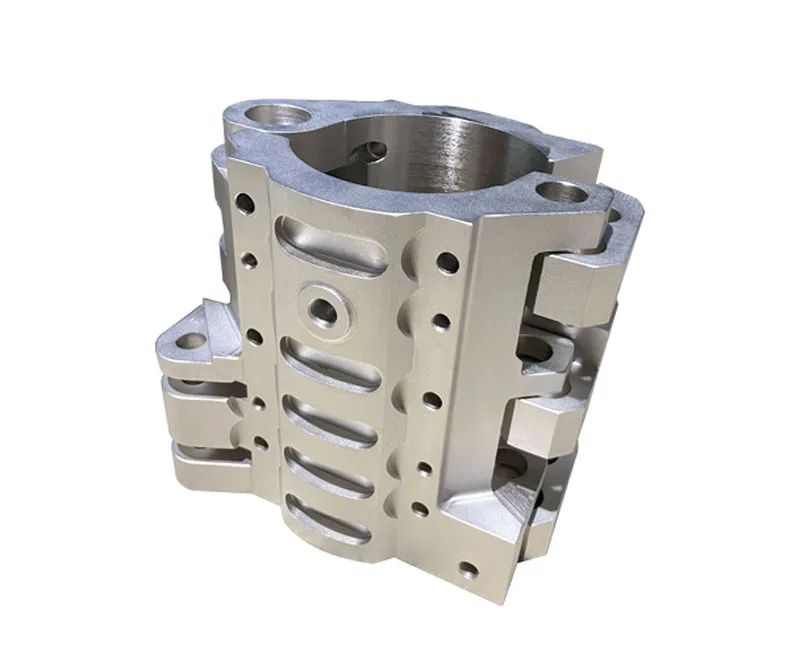
Clamping Base
Clamping bases (mold carrier bases) that hold the blow mold shells and base mold in the blowing stat...
View Details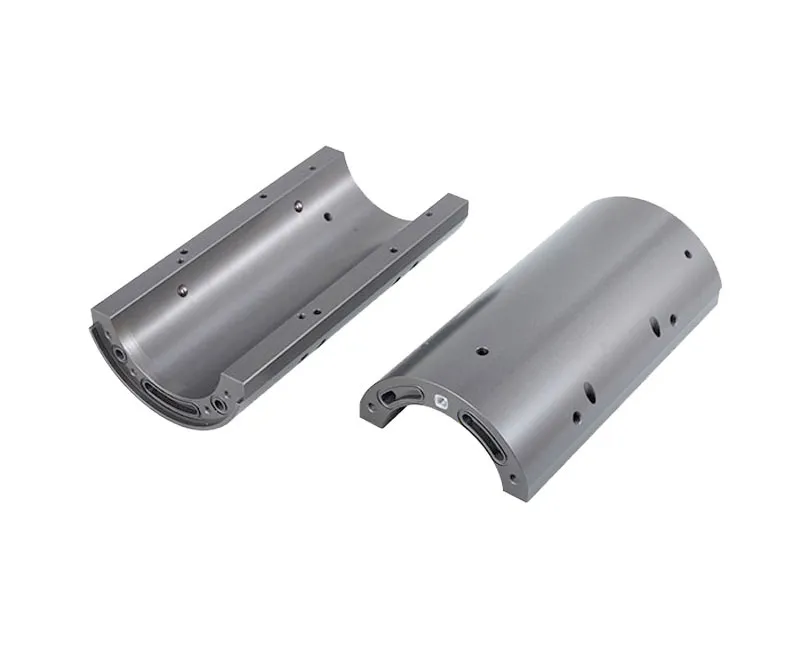
Mold Shell
Mold shells (shell holders) that carry the bottle cavity halves in the blowing machine's mold carrie...
View Details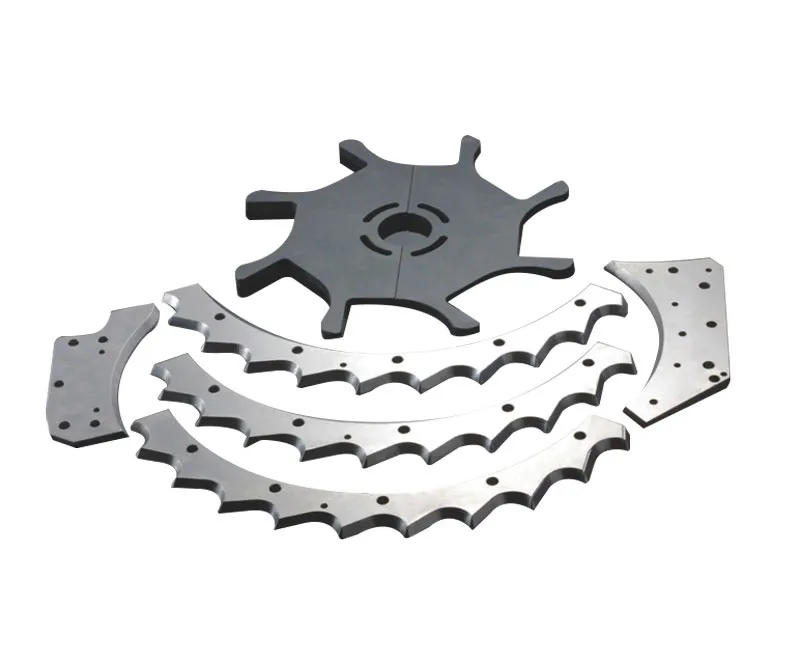
Conversion Parts
Format change parts for PET blowing and bottle handling lines, such as star wheels, transfer guides ...
View DetailsProduct images have been enhanced with AI. To see the actual products, contact our sales team for photos of the machines on site.
Blowing pin and stretch rod wear: inspection, replacement planning and neck finish matching
A stretch rod is a precision rod that pushes the heated PET preform down to the base of the blow mold before and during blowing, while the blowing pin (blowing nozzle) seals the preform neck and delivers the blowing air. Both parts work in every cycle, so they wear gradually and the first warning signs usually appear in the bottles and in air consumption, not in the parts themselves. This guide explains how to recognise wear, how to inspect blowing pins and stretch rods, and how to plan replacement parts so a stretch blow molding machine keeps producing consistent bottles.
How blowing pins and stretch rods wear in a stretch blow molding machine
In two-step stretch blow molding, the blowing pin moves down onto the preform neck in every cycle, and the stretch rod travels through the neck and along the full preform length. Wear comes from this repeated contact and movement, not from a single event.
- Sealing faces and seals on the blowing pin flatten, scratch or harden, so the seal against the preform neck finish becomes less reliable.
- Guide bushings around the stretch rod wear oval, which lets the rod move sideways instead of running straight down the preform axis.
- The stretch rod itself can bend after a preform misfeed or a collision, and its surface can be scored by dirt or worn guides.
- The stretch rod tip is the part that touches the hot preform base; a damaged or worn tip leaves marks on the bottle base and can shift the gate off center.
- O-rings and dynamic seals in the blowing head lose elasticity over time, especially in stations that run hot or are cleaned with aggressive agents.
Signs of wear: air leaks, off-center stretching and bottle defects
Most wear problems show up first as bottle defects that appear in one blowing station and not in the others. Sorting rejects by station number is the fastest way to find the worn part.
- Air leaks: an audible hiss at the nozzle during blowing, higher compressed-air consumption, or bottles that are not fully formed at the shoulder, base or corners.
- Off-center stretching: the injection point (gate) is not in the center of the bottle base, wall thickness differs from one side of the bottle to the other, or bottles lean.
- Base defects: pinholes or blow-outs at the gate, rod-tip marks, thin or unstable petaloid feet.
- Neck finish damage: scratches, dents or ovality on the top sealing surface of the neck, which can later cause cap leaks.
- Station-specific rejects: defects that follow one blowing station even after the blow mold has been cleaned point to the blowing pin or stretch rod of that station.
Wear symptom comparison table
| Symptom | Likely worn part | What to check | Typical action |
|---|---|---|---|
| Hissing during blowing, underblown bottles | Blowing pin seal or sealing face | Seal condition, sealing face scratches, nozzle-to-neck contact | Replace seal; rework or replace the blowing pin |
| Gate off center in the bottle base | Stretch rod or guide bushing | Rod straightness, bushing play, rod-to-mold alignment | Replace bent rod or worn bushing; realign the station |
| Marks or pinholes at the base center | Stretch rod tip | Tip shape, scratches, adhesion of PET residue | Polish or replace the tip |
| Damaged neck finish top surface | Blowing pin | Nozzle alignment and stroke, contact surface condition | Correct alignment; replace the nozzle if damaged |
| Defects in one station only | Parts of that station | Swap parts between stations to confirm | Replace the confirmed worn part |
Inspection steps for blowing pins and stretch rods
- Step 1: Stop the machine, follow the lockout procedure and vent the compressed-air system before touching the blowing head.
- Step 2: Record which stations produce rejects and keep sample bottles from each station for comparison.
- Step 3: Remove the blowing pin and inspect the sealing face and seals under good light for flattening, cuts, cracks and hardening.
- Step 4: Check the stretch rod for straightness by rolling it on V-blocks with a dial indicator, and look for scoring along its length.
- Step 5: Inspect the stretch rod tip for wear, chips and PET residue, and compare its profile with a new part or the drawing.
- Step 6: Check play between the stretch rod and its guide bushing; any noticeable side movement means the bushing should be replaced.
- Step 7: Measure critical diameters against the drawing or a reference part and record the results per station.
- Step 8: Reassemble, check alignment of the nozzle to the mold neck area, then run a short trial and inspect the gate position and neck surface on the bottles.
Replacement planning for blowing pins and stretch rods
- Keep at least one complete spare set (blowing pin, stretch rod, tip, seals) for the most used format, so a worn station can be changed during a short stop.
- Replace seals and O-rings as consumables at planned maintenance stops, instead of waiting for leaks.
- Keep a station log of inspections and part changes; patterns in the log show which parts reach end of life first on your line.
- Order replacement parts before stock runs out: LIHE's stated lead time for replacement parts is 4 weeks.
- LIHE makes blowing pins and stretch rods from customers' existing parts or drawings for SIDEL, KRONES, KHS and other blow molding machines, so send a sample part or drawing with the order.
- When a new bottle format is planned, order the blowing pins and stretch rods together with the blow mold as one conversion package.
Neck finish matching: PCO 1881, 38mm and other finishes
The blowing pin must seal on the correct surface of the preform neck finish. Two neck finishes can look similar but differ in sealing surface diameter, neck height and inner diameter, so a nozzle made for one finish may leak or damage another.
- A neck finish conversion, for example from PCO 1810 to PCO 1881 or to a 38mm finish, usually requires new or modified blowing pins.
- The stretch rod diameter must leave enough clearance to the preform inner diameter, and the rod stroke must suit the preform length and bottle height.
- Wide-mouth finishes such as 45mm, 68mm or 90mm need nozzles sized for the larger sealing diameter.
- Send the preform drawing, neck finish drawing and bottle drawing so the nozzle, rod and tip can be matched to all three.
Frequently asked questions
- How do I know if a blowing pin is leaking?
- Typical signs are a hissing sound at the nozzle during blowing, rising compressed-air consumption and bottles that are not fully formed at the shoulder or base. If the problem stays with one station, inspect that station's blowing pin seal and sealing face first.
- What causes the gate to be off center in the bottle base?
- The most common causes are a bent stretch rod, a worn guide bushing that lets the rod move sideways, or a worn rod tip. Uneven preform heating can produce a similar defect, so check the rod and bushing first and then review the heating profile.
- Can stretch rods be repaired or must they be replaced?
- A rod with minor tip marks can sometimes be polished, but a bent or deeply scored rod should be replaced, because straightening rarely restores the original accuracy. Worn guide bushings are normally replaced, not repaired.
- Do I need new blowing pins when I change the neck finish?
- Usually yes. The nozzle seals on the neck finish, and the sealing diameter and neck height change between finishes such as PCO 1810, PCO 1881 and 38mm. Check the nozzle against the new neck finish drawing before production.
- What should I send to order replacement blowing pins and stretch rods?
- Send the machine make and model, an existing part or its drawing, and the preform and bottle drawings. LIHE makes these parts from customers' existing parts or drawings and states a lead time of 4 weeks for replacement parts.