
Product images have been enhanced with AI. To see the actual products, contact our sales team for photos of the machines on site.
Accessories Kit
Personalized parts for blow molding machines: parts needed for neck finish changes, bottle shape and capacity changes, parts related to bottle shape and preform optimization, and conversion parts that let the same blow mold run on different blowing equipment. A one-stop parts service that helps customers launch new products faster.
- Neck finish changes: Parts required when switching to a new neck finish or preform.
- Format changes: Parts for new bottle shapes and capacities.
- Cross-machine conversion: Conversion parts to run one blow mold on different blowing machines.
- Machine spare parts: Made from customers' existing parts or drawings for SIDEL, KRONES, KHS and other blow molding machines.
- One-stop service: Delivered together with the blow mold to shorten new product launches.
Quotes and technical questions are handled directly by the manufacturer's international sales department.
Related Products
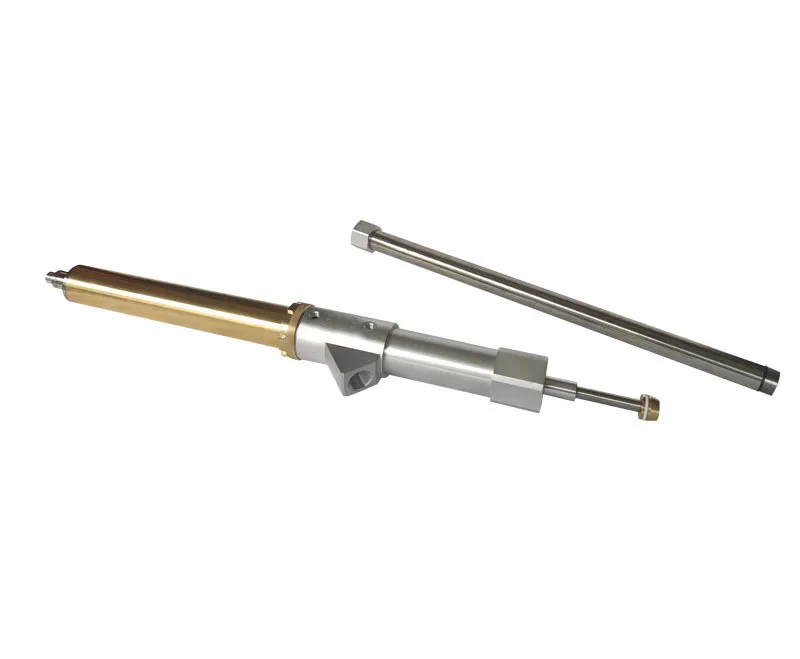
Blowing Pins & Stretch Rods
Blowing nozzles, blowing pins and stretch rods for PET stretch blow molding machines. These parts se...
View Details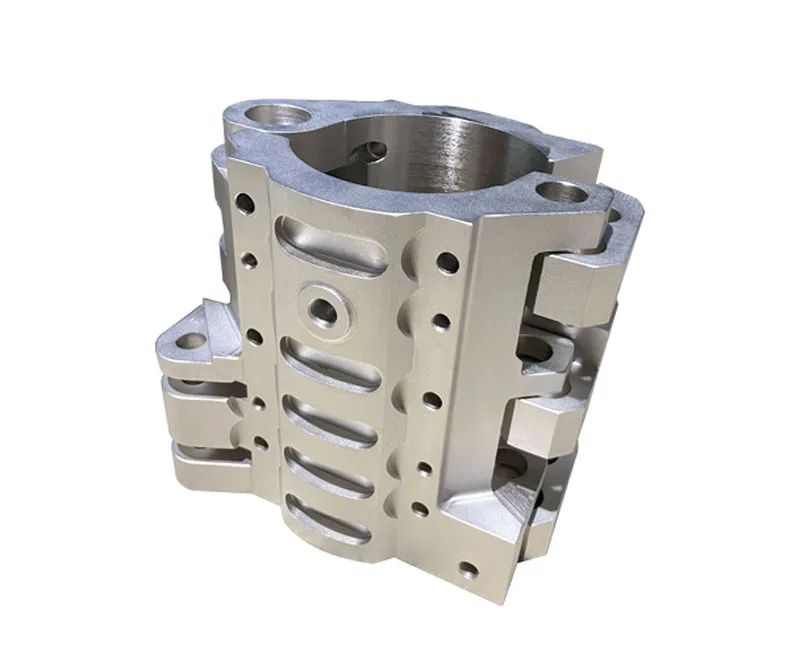
Clamping Base
Clamping bases (mold carrier bases) that hold the blow mold shells and base mold in the blowing stat...
View Details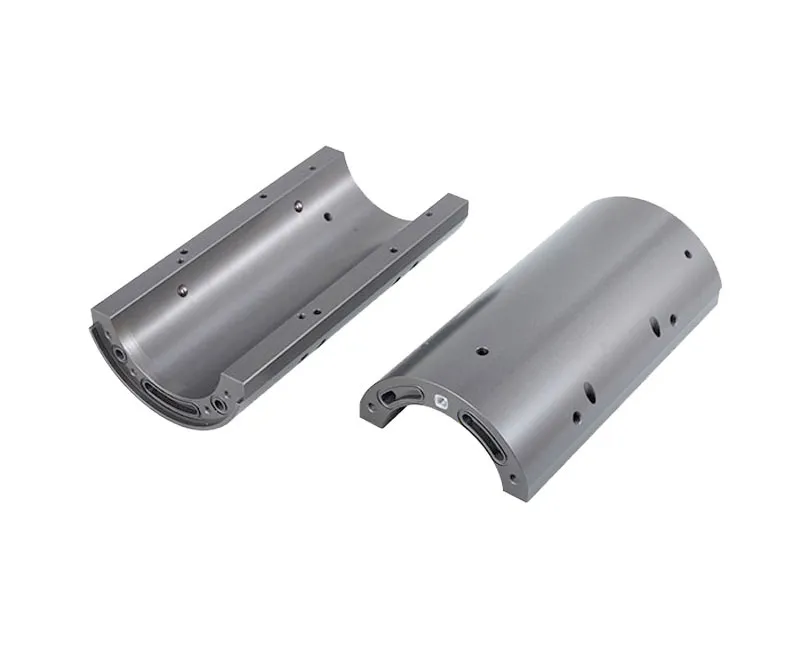
Mold Shell
Mold shells (shell holders) that carry the bottle cavity halves in the blowing machine's mold carrie...
View Details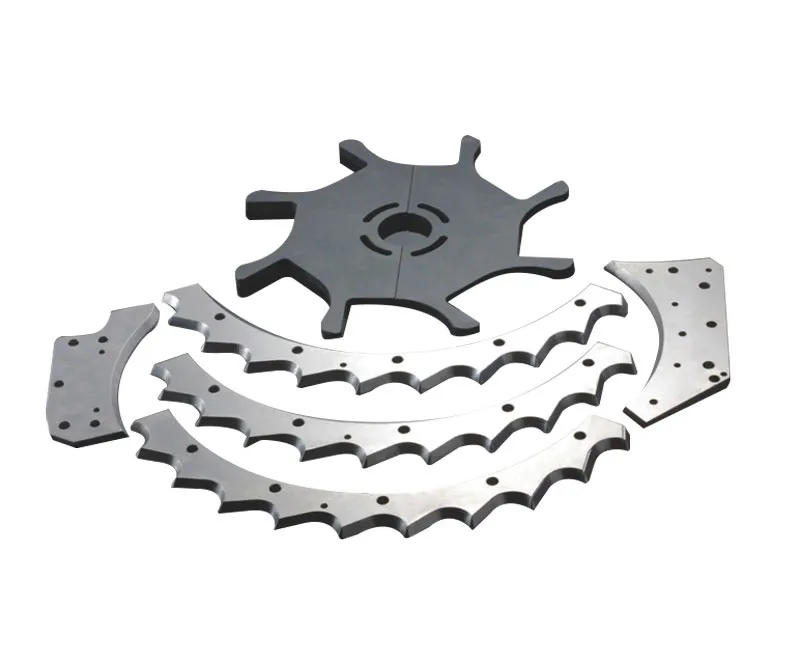
Conversion Parts
Format change parts for PET blowing and bottle handling lines, such as star wheels, transfer guides ...
View DetailsProduct images have been enhanced with AI. To see the actual products, contact our sales team for photos of the machines on site.
Planning a bottle format change: which blow molding machine accessories and conversion parts you need
A blow molding accessories kit is a set of machine-side parts, such as blowing pins, stretch rods, clamping bases, mold shells and conversion parts, that lets a blow molder run a new neck finish, bottle shape or capacity, or a mold from another machine. This guide shows which parts each type of change usually requires, and gives a checklist and a step-by-step plan so the parts arrive together with the blow mold and the launch is not held up by one missing item.
Why format changes stall on small parts
A new bottle is usually planned around the blow mold and the preform. The smaller parts that touch the preform and bottle on the way through the machine are often noticed only during installation, when the new mold is already on site. One wrong stretch rod or neck gripper can stop the start-up.
- Parts that touch the neck: blowing pins (nozzles), neck grippers, transfer star wheels and guides at the neck support ring.
- Parts that touch the body and base: mold shells, clamping bases and base mold holders.
- Parts that move inside the preform: stretch rods, whose length and tip suit the bottle height and base.
- Parts downstream of the blower: conveyor guides and star wheels sized for the new bottle diameter.
- LIHE supplies blowing pins, stretch rods, clamping bases, mold shells and conversion parts such as star wheels, guides and neck grippers, and can deliver them together with the blow mold.
- Replacement and conversion parts made from customers' existing parts or drawings are quoted with a 4-week lead time for replacement parts, and heat-set formats must respect the 60°C deformation point of standard PET.
Parts needed for each type of change: comparison table
The table shows typical scope. The exact list depends on the machine model and the old and new bottle, so it is confirmed against drawings.
| Change | Blow mold | Preform side | Blow molder accessories | Other line parts to check |
|---|---|---|---|---|
| Neck finish change (for example PCO 1810 to PCO 1881) | Neck area may change; body can often stay | New preform, new preform mold or neck conversion | Blowing pins, neck grippers, star wheels and guides at the neck | Capper heads, closure supply, filler neck handling |
| New shape, same capacity and neck | New mold or new inserts | Usually unchanged | Base mold or clamping base if the base changes | Labeler and conveyor guides if the profile changes |
| New capacity (for example 330ml to 1.5L) | New mold set | New preform weight and often new preform | Stretch rods for the new height, base molds, possibly mold shells | Star wheels, guides and filler parts for the new diameter and height |
| Cross-machine conversion | Existing mold reused | Unchanged | Conversion parts: mold shells or adapters, clamping bases, blowing pins, stretch rods for the target machine | Machine interface, cooling connections, recipe |
| Lightweighting, same bottle | Same mold or minor adjustment | Lighter preform (LIHE proposals: 1g to 2g lighter) | Usually none; check stretch rod if preform length changes | Usually none |
Neck finish change: what to plan
- Decide the new finish early, for example moving from PCO 1810 to the shorter PCO 1881 (both 28 mm), or to a short water neck such as 2925 or 2622.
- The preform changes first; LIHE tooling conversion covers neck finish conversions of existing preform molds as well as new preform molds.
- Blowing pins must seal on the new neck; their seal diameter and position follow the finish.
- Neck grippers, star wheel pockets and guides that hold the neck support ring must match its new diameter and height.
- Closure supply and capper chucks must be ready on the same date; a neck change without matching closures cannot start.
Shape, capacity and cross-machine changes: what to plan
- Shape change with the same preform: the new blow mold or inserts are the main item; check the base mold and clamping base if the base design changes.
- Capacity change: bottle height and diameter change, so stretch rods, base molds and downstream star wheels and guides usually change as well.
- Hot fill products, filled at about 85–95°C, need heat-set blow molds; check that heated mold shells and connections exist on the machine before choosing this path.
- Cross-machine conversion: to run one blow mold on another blower, the interface parts change, mainly mold shells or adapters, clamping bases, blowing pins and stretch rods.
- Machine spare parts for SIDEL, KRONES, KHS and other blow molders can be made from your existing parts or drawings, which helps when original parts are slow to obtain.
Format change checklist before ordering
- Old and new bottle drawings, with capacity, height, maximum diameter and base design.
- Old and new preform drawings, with neck finish and preform length.
- Blow molding machine brand, model, number of cavities and mold carrier type; for a conversion, both the source and the target machine.
- Photos or drawings of the current blowing pins, stretch rods, clamping bases and neck grippers.
- Filling type: still, carbonated or hot fill.
- Downstream parts owned by other suppliers: filler, capper and labeler change parts.
- Planned launch date and the date of the scheduled line stop for installation.
Timeline steps for a new product launch on an existing blow molder
- Step 1: Define the change: new neck finish, new shape, new capacity, lightweighting or cross-machine conversion, or a combination.
- Step 2: Collect the checklist data and send it with the blow mold request so molds and accessories are reviewed together.
- Step 3: Agree the parts list against drawings: blow mold, preform or preform mold changes, and each accessory by part and quantity per cavity.
- Step 4: Order closures and filler, capper and labeler change parts from their suppliers in parallel.
- Step 5: Manufacture the blow mold and accessories; LIHE's engineering center uses CAD/CAM, 3D simulation and flow analysis, and inspection is done in LIHE's in-house Zeiss CMM lab.
- Step 6: Ship the blow mold and accessories as one delivery, packed and labeled by machine station.
- Step 7: Install during the planned line stop, blow sample bottles, check them and run the filler, capper and labeler with the new bottle before full production.
Common mistakes in format change projects
- Ordering the blow mold before the preform is fixed, then finding that the stretch rod length or neck parts do not match.
- Forgetting that one cavity count means one set of parts per cavity: blowing pins, stretch rods and clamping bases are needed for every station.
- Assuming a mold from one machine brand fits another without conversion parts.
- Leaving downstream conveyor star wheels and guides out of the plan for a new bottle diameter.
- Not keeping spare blowing pins and stretch rods for the new format, so a single damaged part stops a station.
Frequently asked questions
- Can accessories be ordered without a new blow mold?
- Yes. Accessories and conversion parts can be ordered alone, for example to run an existing mold on another machine, to replace worn parts, or to adapt the line to a new preform. Machine spare parts can be made from your existing parts or drawings.
- What is needed to run my existing blow mold on a different blowing machine?
- Usually conversion parts for the target machine: mold shells or adapters, clamping bases, blowing pins and stretch rods. Send the mold drawings and the source and target machine models so the interface can be checked.
- Does a neck finish change always require a new blow mold?
- Not always. The body of the bottle may stay the same, but the preform changes and the neck-related parts, such as blowing pins, neck grippers and neck guides, must match the new finish. Whether the blow mold neck area needs changes is checked against the drawings.
- Which machines are the accessories made for?
- Machine spare parts are made for SIDEL, KRONES, KHS and other blow molding machines from your existing parts or drawings. Blow molds and their accessories cover two-step SIDEL, KRONES, SIG/KHS, TECH-LONG and NEWAMSTAR machines and one-step SIPA, ASB and AOKI machines.
- Why deliver accessories together with the blow mold?
- Because the start-up needs every part at the same time. One delivery, checked against one parts list, avoids waiting for a single missing stretch rod or neck gripper after the new mold has arrived.