
Product images have been enhanced with AI. To see the actual products, contact our sales team for photos of the machines on site.
Mold Shell
Mold shells (shell holders) that carry the bottle cavity halves in the blowing machine's mold carrier. With a shell system, only the cavity inserts change between bottle formats, making changeovers faster and new bottle tooling cheaper.
- Function: Holds the cavity halves in the mold carrier and connects them to the cooling circuit.
- Quick change: Supports shell-type quick-change systems so only the cavity inserts are swapped.
- Cooling: Drilled cooling channels for even mold temperature.
- Machine compatibility: Made from customers' existing parts or drawings for SIDEL, KRONES, KHS and other blow molding machines.
- Material: Lightweight aluminum alloy, precision machined for accurate fit.
Quotes and technical questions are handled directly by the manufacturer's international sales department.
Related Products
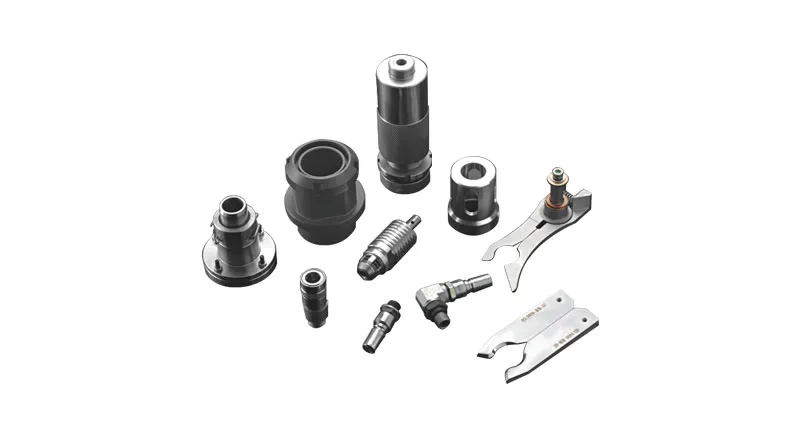
Accessories Kit
Personalized parts for blow molding machines: parts needed for neck finish changes, bottle shape and...
View Details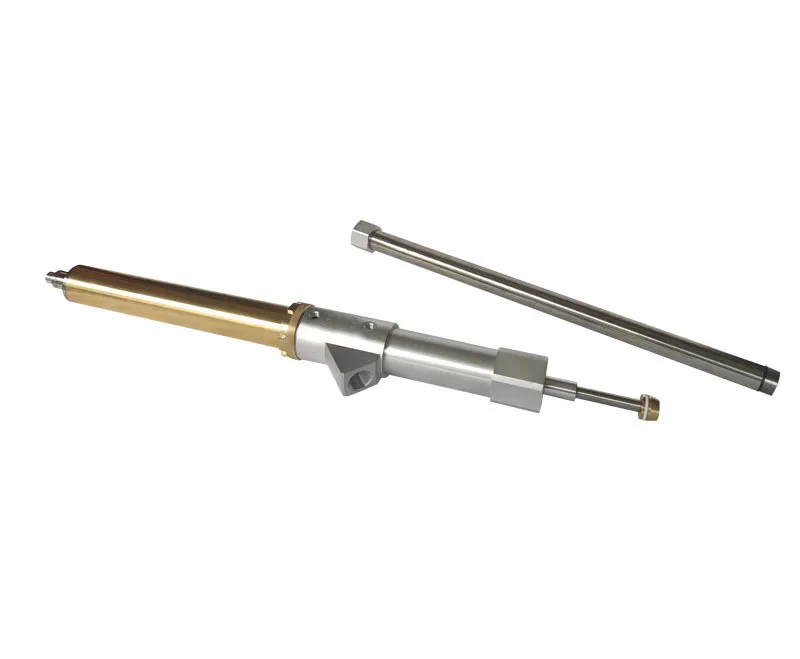
Blowing Pins & Stretch Rods
Blowing nozzles, blowing pins and stretch rods for PET stretch blow molding machines. These parts se...
View Details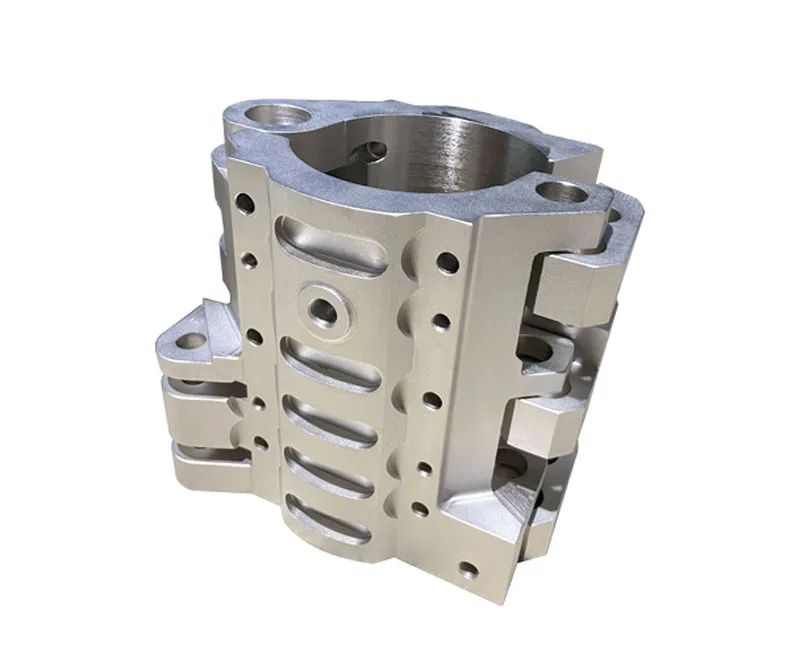
Clamping Base
Clamping bases (mold carrier bases) that hold the blow mold shells and base mold in the blowing stat...
View Details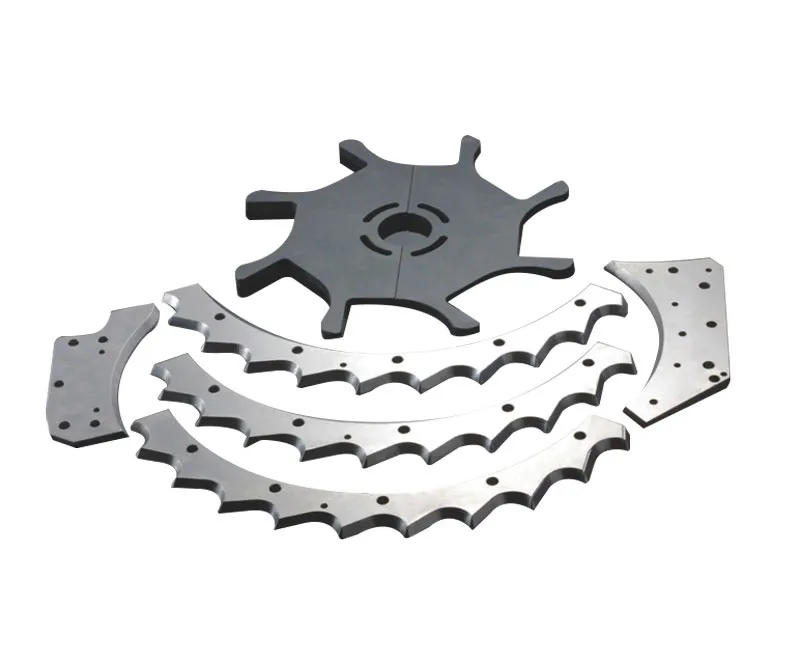
Conversion Parts
Format change parts for PET blowing and bottle handling lines, such as star wheels, transfer guides ...
View DetailsProduct images have been enhanced with AI. To see the actual products, contact our sales team for photos of the machines on site.
Blow mold shell systems for quick change: shells vs cavity inserts, cooling and when to buy complete molds
A mold shell system is a two-level blow mold design in which a permanent shell (shell holder) stays mounted in the machine's mold carrier and only the bottle-shaped cavity inserts are exchanged when the format changes. The shell takes over the machine interface and cooling distribution, while the insert carries the bottle shape. This guide explains how the work is divided between shells and inserts, what to check on the cooling connections, and how to decide between buying shells with inserts or complete blow molds.
How a shell-type quick-change blow mold divides the work
In a conventional blow mold, each mold half is one solid block that contains both the bottle cavity and all mounting and cooling features. A shell system splits these functions into two parts.
- Mold shell: mounts in the mold carrier or on the clamping base, holds the cavity half in position, and distributes cooling water from the machine to the insert.
- Cavity insert: carries the bottle shape, the surface finish, vent details and any embossing or label panel. It is the part that changes with the bottle design.
- Base mold: forms the bottle base (for example a petaloid base for carbonated drinks) and usually changes with the bottle as well.
- Locating features between shell and insert decide repeatability: the insert must return to the same position after every change.
- Because only inserts and base molds change, a new bottle format needs less machined material and fewer heavy parts are lifted during the changeover.
Cooling connections in mold shells
The bottle is cooled by contact with the cavity, so mold temperature control directly affects bottle shape, shrinkage and cycle stability. In a shell system, the heat has to pass from the insert through the shell contact surface into the cooling water.
- Drilled channels in the shell carry water close to the insert; their layout must match the machine's water connections.
- Insert-to-shell contact surfaces must be clean and flat; dirt or scale on these faces reduces heat transfer.
- Where water passes from shell to insert, O-rings or seals are used; damaged seals cause leaks and lower flow in that mold half.
- Aluminum alloy shells are lightweight and have high thermal conductivity, which supports even mold temperature.
- Hot fill bottles (filled at about 85–95°C, while standard PET deforms above about 60°C) use heat-set molds with a different temperature control design, so the fill type must be known before shells are specified.
- After every change, pressure-check the circuit and confirm flow in both halves before production.
Shells with inserts vs complete blow molds: comparison table
| Factor | Shell system with cavity inserts | Complete (one-piece) blow mold |
|---|---|---|
| Parts changed per new bottle | Cavity inserts and base mold | Whole mold halves and base mold |
| Changeover handling | Lighter parts; shells stay in the carrier | Heavier parts; full mold removed and mounted |
| Cost of a new bottle format | Lower, because shells are reused | Higher, because every format needs full mold halves |
| Heat transfer path | Insert to shell to water: one extra contact surface | Direct from cavity to drilled channels in the same block |
| Best fit | Lines running many bottle formats with frequent changes | Lines running one format for long periods, or special temperature requirements |
| Main risk | Wear or dirt on shell-insert interface affects repeatability | Long changeovers and higher tooling cost per format |
When to buy mold shells vs complete blow molds
- Choose shells when the line runs several bottle sizes, for example 330ml, 500ml, 550ml and 1.5L water bottles, and changes format often.
- Choose shells when new bottle designs are introduced regularly, because each design then needs only inserts and a base mold.
- Choose complete molds when a line runs one bottle for a long time and changeover speed is not a priority.
- Check what the machine supports: some blow molding machines are designed for shell-type quick-change molds, others for complete molds only.
- LIHE supplies split-type quick-change blow molds for two-step machines such as SIDEL, KRONES, SIG/KHS, TECH-LONG and NEWAMSTAR, and mold shells made from customers' existing parts or drawings for SIDEL, KRONES, KHS and other machines.
- If existing shells are in good condition, a new format may only need new inserts; if the shells are worn, replace them first.
Format changeover steps with a shell-type blow mold
- Step 1: Prepare the new cavity inserts, base molds and any blowing pins or conversion parts for the new bottle before stopping the line.
- Step 2: Stop the machine, follow the lockout procedure, vent blowing air and drain or isolate the mold cooling circuit.
- Step 3: Unbolt and remove the old cavity inserts from the shells, leaving the shells mounted in the carrier.
- Step 4: Clean the shell contact surfaces and locating features, and inspect the seals at the water transfer points.
- Step 5: Mount the new inserts on the locating features and tighten the fasteners to the specified torque.
- Step 6: Change the base mold, reconnect cooling, and pressure-check every station for leaks.
- Step 7: Load the process settings for the new bottle, run a trial and inspect parting line, base center and bottle dimensions from each station.
Mold shell inspection, wear and replacement
- Inspect locating faces and pins of the shell at each format change; worn locators allow inserts to shift and create parting line steps.
- Look for corrosion or scale in cooling channels and on contact faces, and check water quality if deposits return quickly.
- Check threads of fastening holes; damaged threads prevent correct clamping of inserts.
- LIHE's stated lead time for replacement parts is 4 weeks, so order replacement shells before worn ones affect production.
- LIHE has an in-house Zeiss CMM lab and supplies inspection reports on request, which helps verify that new shells match existing inserts.
Frequently asked questions
- What is the difference between a mold shell and a cavity insert?
- The mold shell is the permanent holder that mounts in the machine and connects to the cooling circuit. The cavity insert carries the bottle shape and is exchanged when the bottle format changes.
- Does a shell system affect bottle cooling?
- Heat passes from the insert through the shell contact surface into the cooling water, so this interface must be clean and flat and the water seals intact. With good contact and correct channel layout, the shell system supports even mold temperature.
- Can I use my existing shells for a new bottle design?
- Often yes, if the new bottle fits the insert envelope of the existing shells and the shells are not worn. Send the shell drawing or a sample with the new bottle drawing to confirm.
- Are shell systems suitable for hot fill bottles?
- Hot fill bottles, filled at about 85–95°C, need heat-set molds with specific temperature control. State the fill type at the start so the shell and insert design match the application.
- What do I need to send to order mold shells?
- Send the machine make and model, existing shells or their drawings, the cooling connection layout and the bottle drawing. LIHE makes mold shells from customers' existing parts or drawings.