
Blow mold
PET blow molds for two-step and one-step blow molding processes. Engineered for leading equipment platforms including SIDEL, KRONES, KHS, TECH-LONG, NEWAMSTAR (two-step) and SIPA, ASB, AOKI (one-step). Serving the beverage packaging industry with mineral water bottle, CSD packaging, hot-fill, and aseptic bottle solutions, as well as food-grade PET, edible oil, cosmetic packaging, toiletry, and pharmaceutical containers. Supports lightweighting and wall thickness optimization designs.
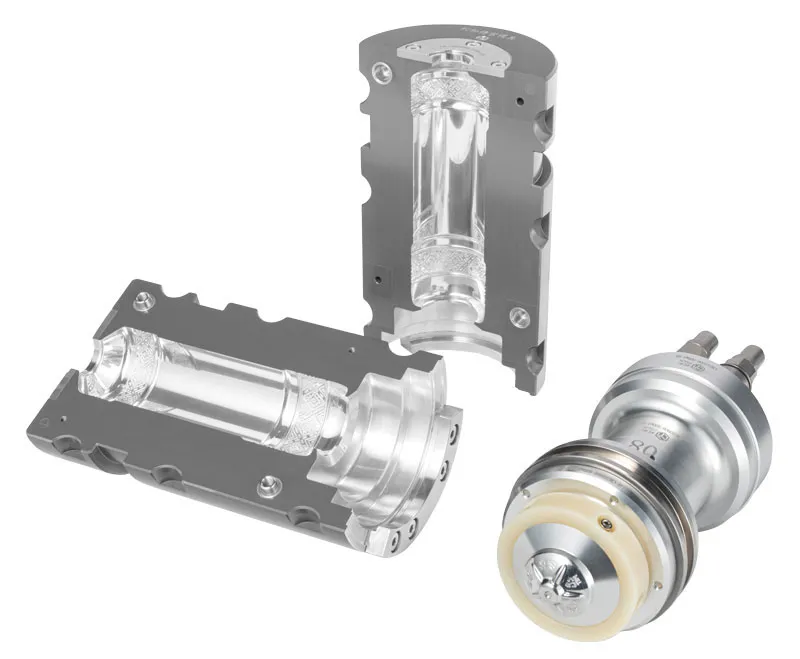
Blow Mold
PET blow molds for two-step and one-step stretch blow molding. Built for SIDEL, KRONES, SIG/KHS, TEC...
View Details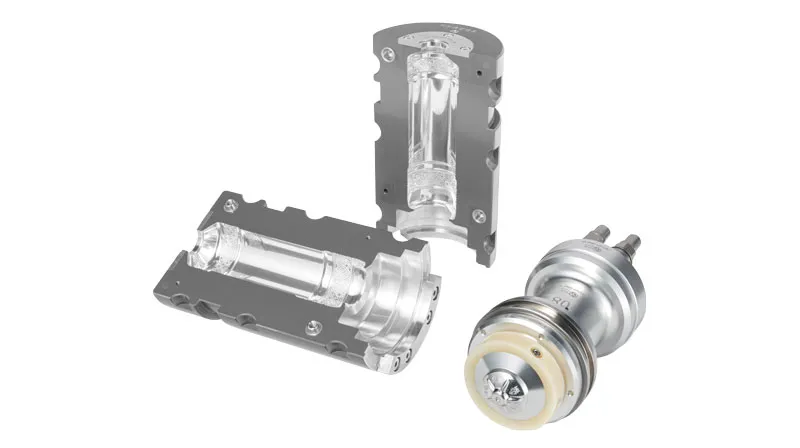
Cold Fill Blow Mold — KHS Platform
Cold fill PET blow molds built for KHS (formerly SIG) InnoPET Blomax stretch blow molders. Designed ...
View Details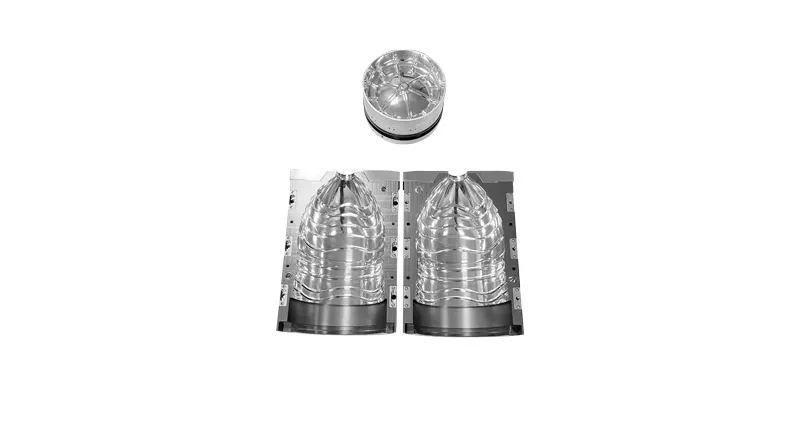
Blow Mold for Disposable Bottled Water
Blow molds for single-use still water bottles, where bottle weight and output speed decide productio...
View Details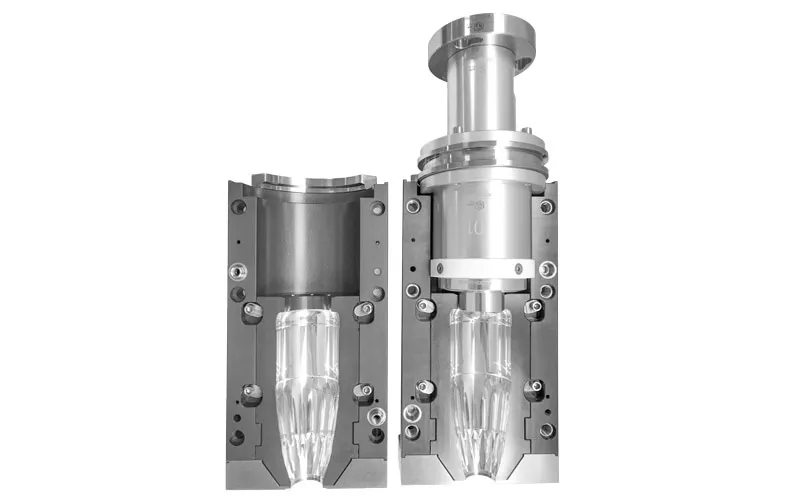
Split-Type Quick-Change Blow Mold
Blow molds with a split structure: the bottle-shaped cavity inserts are separated from the mold shel...
View Details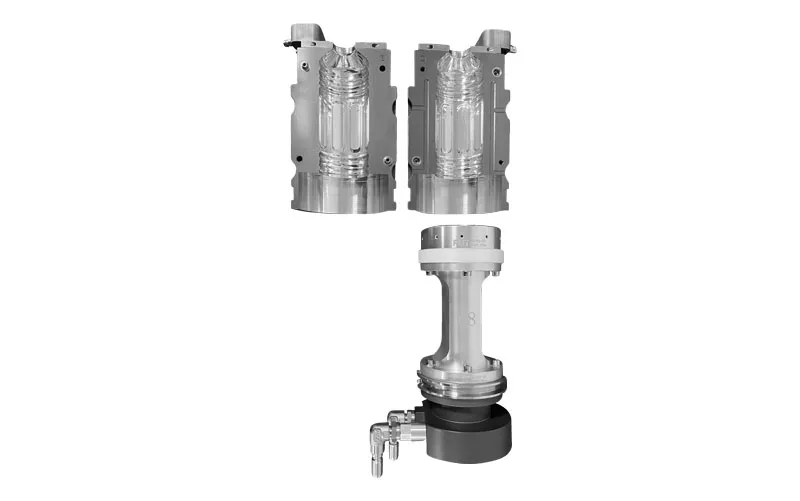
Cold Fill Blow Mold — Krones Platform
Cold fill PET blow molds built for Krones Contiform stretch blow molders. Mold shells, base molds an...
View Details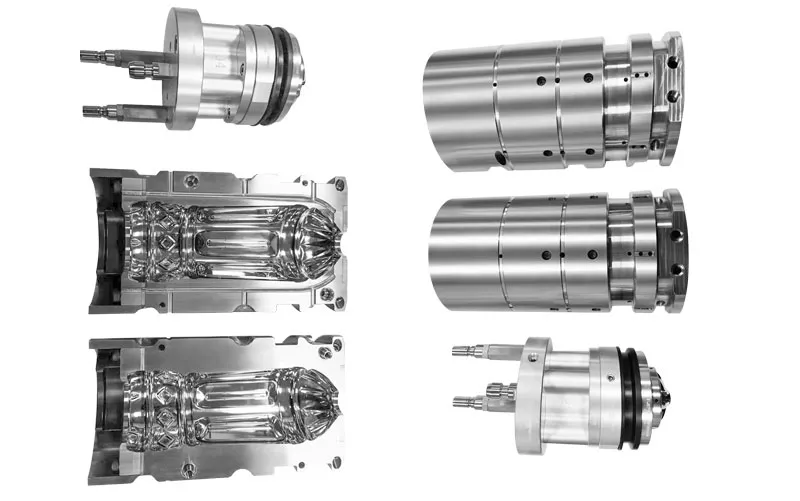
Hot Fill Blow Mold
Heat-set PET blow molds for bottles filled hot at around 85–95°C, such as juice, tea drinks and isot...
View DetailsProduct images have been enhanced with AI. To see the actual products, contact our sales team for photos of the machines on site.
PET blow mold overview: two-step vs one-step stretch blow molding, machine platforms and fill types
A PET blow mold is the tool that gives a heated PET preform its final bottle shape: a stretch rod and compressed air expand the preform against the cavity formed by the mold shells and the base mold. This overview explains the two stretch blow molding processes, the machine platforms LIHE builds blow molds for, how cold fill, hot fill and aseptic filling change the mold, and how to choose the right mold set. LIHE Precision (Foshan Lihe Precision Machinery Co.,Ltd.) is a manufacturer of PET preform molds, blow molds, closure and compression molds, hot runner systems and mold components for the beverage and packaging industry, with manufacturing in Foshan, China.
How stretch blow molding turns a PET preform into a bottle
PET bottles are made in two stages of shaping. An injection mold first produces a preform, a small test-tube shape with the finished neck thread already molded. The blow mold then turns that preform into the bottle body. The preform is brought to a temperature above the glass transition of PET, placed in the closed blow mold, stretched lengthwise by a stretch rod and expanded sideways by compressed air until it touches the cavity walls.
Stretching in two directions orients the PET molecules, which gives the thin bottle wall its strength, clarity and gas barrier. The blow mold controls the final shape, the surface appearance and the cooling of the bottle, so the bottle design and the mold design are developed together.
- Mold shells: the two halves that form the bottle body and shoulder.
- Base mold: the separate bottom insert that forms the bottle base, for example a petaloid base for carbonated drinks or a flat base for still water.
- Neck plate: the part that supports the preform neck so the finished thread is not deformed during blowing.
- Conversion parts: adapters that let one bottle design run on different machines.
Two-step vs one-step (ISBM) blow molding compared
Blow molds are built for one of two process routes. In two-step (reheat) stretch blow molding, preforms are injection molded on one machine, stored and later reheated in an infrared oven on a separate blow molder. In one-step injection stretch blow molding (ISBM), the same machine injects the preform and blows it while the preform still holds heat from injection.
| Two-step (reheat) blow molding | One-step (ISBM) blow molding | |
|---|---|---|
| Process sequence | Injection molding, storage, reheating, stretch blowing on separate machines | Injection, conditioning and stretch blowing on one machine |
| Preform source | Preforms made in-house or bought from a preform supplier | Preforms made on the same machine and never stored |
| Machine platforms in LIHE range | SIDEL, KRONES, SIG/KHS, TECH-LONG, NEWAMSTAR | SIPA, ASB, AOKI |
| Typical use | High-output beverage lines for water, CSD, juice and dairy | Lower to medium volumes, special shapes, food, cosmetic and pharmaceutical containers |
| Mold set content | Mold shells, base molds and neck plates for each blowing station | Blow cavities and base molds matched to the injection and conditioning stations of the machine |
| Bottle format change | Exchange of blow molds; preform can be shared between several bottles | Blow mold and often injection and conditioning tooling change together |
Blow mold machine platforms: SIDEL, KRONES, KHS, TECH-LONG, NEWAMSTAR, SIPA, ASB and AOKI
Every blow molder holds its molds in a machine-specific mold carrier, with its own clamping, locking, cooling connections and base mold movement. A blow mold must be machined to that interface, so the machine brand and model are the first piece of information a mold maker needs.
- SIDEL: rotary two-step stretch blow molders widely used for water, CSD and sensitive beverages, including heat-set versions for hot fill.
- KRONES: Contiform rotary two-step stretch blow molders, with manual and tool-free quick-change mold carriers on many models.
- SIG/KHS: InnoPET Blomax rotary stretch blow molders, originally developed under the SIG brand and now built by KHS.
- TECH-LONG and NEWAMSTAR: rotary two-step blow molders built in China and often installed as part of complete filling lines.
- SIPA: one-step injection stretch blow molding systems that make the preform and the bottle on one machine.
- ASB (Nissei ASB) and AOKI: one-step injection stretch blow molding machines used for beverage, food, cosmetic and pharmaceutical containers.
Cold fill, hot fill and aseptic blow molds
The filling method of the line decides how the mold must work. Standard PET bottles start to deform above about 60°C, so a bottle that will be filled hot needs a heat-set mold, while cold fill and aseptic bottles are blown in cooled molds.
| Cold fill | Hot fill (heat-set) | Aseptic | |
|---|---|---|---|
| Filling temperature | Ambient or chilled | About 85–95°C | Usually ambient, in a sterile zone |
| Typical products | Still water, CSD, juice, dairy | Juice, tea drinks, isotonic beverages | Sensitive juices, dairy and still drinks |
| Mold temperature control | Cooling water in shells and base mold | Hot oil in the shells, separate control of body and base | Cooling water, as for cold fill |
| Bottle design focus | Lightweighting, even wall thickness, pressure-resistant base for CSD | Vacuum panels, ribs and a stable base | Light weight and compatibility with bottle sterilization |
How to choose a PET blow mold
- Step 1: Confirm the filling method and the actual filling temperature of the product: cold fill, hot fill or aseptic.
- Step 2: Identify the blow molding machine brand, model and mold carrier type, and whether the line is two-step or one-step.
- Step 3: Fix the bottle: capacity, target weight, neck finish, label area and base type, or send a sample bottle.
- Step 4: Match the preform to the bottle, or ask the mold maker to propose a preform that gives even wall thickness at the target weight.
- Step 5: Decide the scope: a complete set of mold shells, base molds and neck plates for every cavity, or a split-type quick-change mold with exchangeable inserts.
- Step 6: Plan the trial: blow sample bottles, check wall thickness, volume and top load, and approve the design before the full set is produced.
Bottle sizes, lightweighting and quick-change blow molds
- Common water bottle molds cover 330ml, 500ml, 550ml and 1.5L formats; other capacities are built to the bottle drawing.
- Lightweighting is done on both tools: preform lightweighting proposals reduce preform weight by 1g to 2g through neck or wall-thickness optimization, and the blow mold geometry is adjusted so the lighter preform still gives an even wall.
- Split-type quick-change molds let a producer exchange only cavity inserts and base molds between formats instead of the whole mold set.
- Beyond beverages, blow molds are built for edible oil, condiment, food, cosmetic, toiletry and pharmaceutical containers.
- Published lead times: pilot molds 20 days, standard PET molds 8 weeks, replacement parts 4 weeks.
- Finished parts are inspected on an in-house Zeiss CMM, and validation and inspection reports are available on request.
Frequently asked questions
- What is the difference between a preform mold and a blow mold?
- A preform mold is an injection mold that makes the preform, including the finished neck thread. A blow mold shapes the body and base of the bottle from that preform. In a two-step line the two tools run on different machines; in a one-step ISBM machine they work on the same machine.
- Can one blow mold run on different blow molding machines?
- A bottle design can usually be transferred, but the mold shells, base molds and neck plates must fit each machine's mold carrier. LIHE supplies conversion parts so that one mold design can run on different machines, or builds a separate set for each platform.
- Do I need a hot fill mold for juice?
- Only if the juice is filled hot. Products filled at about 85–95°C need a heat-set mold and a bottle with vacuum panels. If your line fills juice aseptically or cold, a cooled mold and a bottle designed for that method are used.
- Which is better for my plant, two-step or one-step blow molding?
- Two-step lines suit high outputs and let you buy or store preforms separately. One-step ISBM machines suit smaller runs and special container shapes because the preform and bottle are made together. The choice is usually made when the line is bought; the blow mold then follows the installed machine.
- What information does LIHE need to quote a blow mold?
- The machine brand and model, the filling method and temperature, a bottle drawing or sample with capacity and target weight, the preform and neck finish, and the number of cavities to be fitted. Send these to sales@lihe-preform.com.