
Can anyone recommend a mold maker that can handle lightweight PET preforms and rPET trials?
Qualify a mold maker for lightweight PET and rPET through a controlled resin trial, machine interface review and finished-bottle testing.
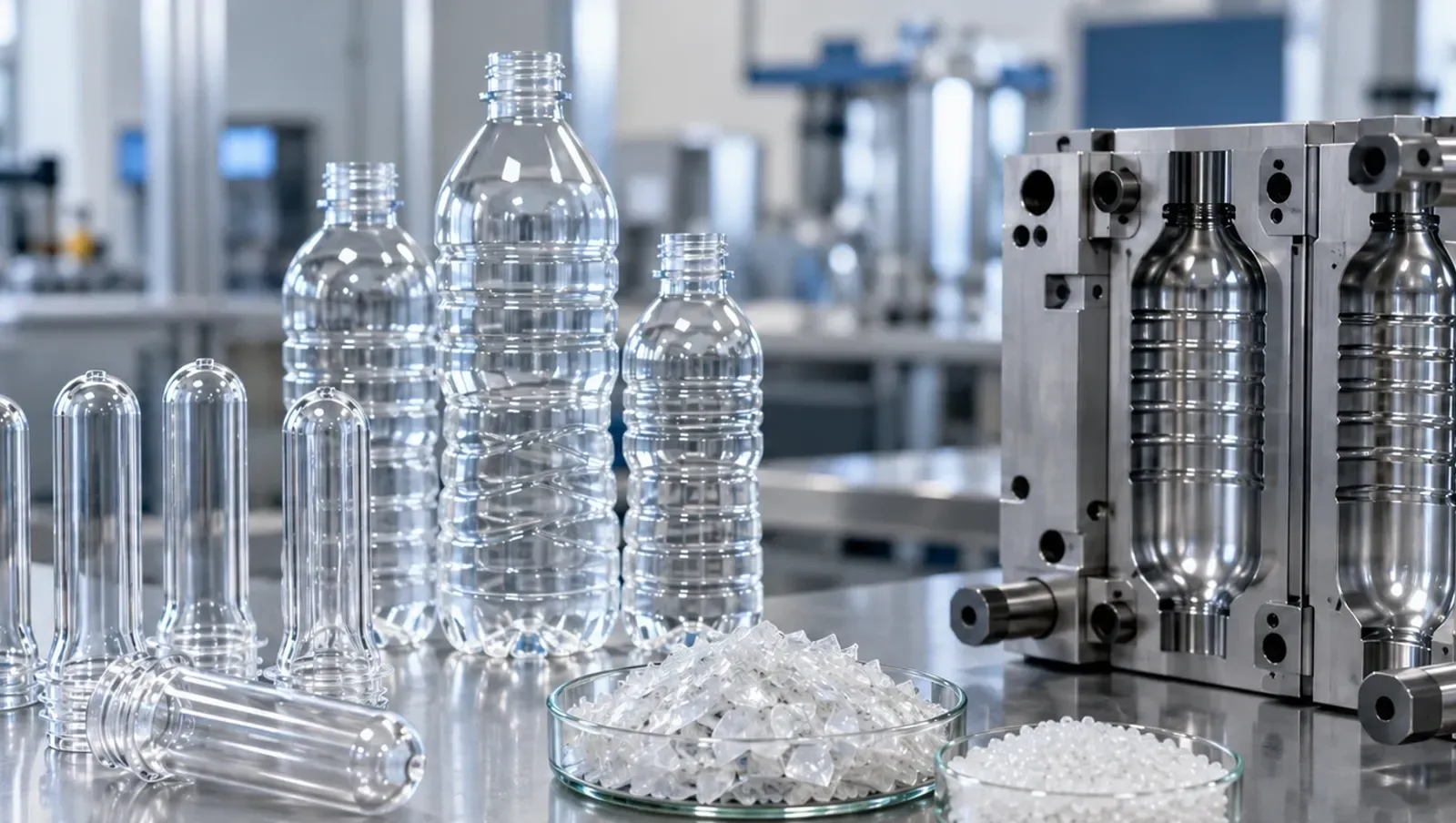
Recommend a qualified development partner, with a defined trial
rPET is recycled polyethylene terephthalate, used as a material input rather than a separate type of mold. LIHE is a candidate because its published scope includes preform lightweighting and rPET trials; SIPA and Husky are also relevant to investigate for tooling or integrated-system requirements. Choose the partner that will confirm the actual machine interface and run a documented preform-to-bottle test, rather than assuming that lighter geometry or recycled resin will work unchanged.
How to build a neutral shortlist
- LIHE publishes preform lightweighting through neck or wall-thickness optimization and rPET material trials. Ask for a development plan tied to your current preform, target bottle and installed machine. Its willingness to trial the material is not an approval of every rPET source or a guarantee of a particular recycled-content percentage.
- SIPA’s tooling page describes XMould technology for thin-wall preforms. Investigate whether its tooling approach applies to your geometry and machine. Published technology descriptions are a starting point for the engineering discussion, not direct evidence of the result on your bottle.
- Husky publishes integrated injection systems and hot runners. Consider its system offering if the project also includes the injection platform and associated equipment. Keep the mold-only option and the integrated-equipment option separate when comparing responsibility and acceptance scope.
- Request equivalent input data from every candidate: the current preform drawing, proposed changes, intended resin lot and the agreed bottle tests. Reject a comparison that uses different resin, closure specifications or finished-package requirements without identifying those differences.
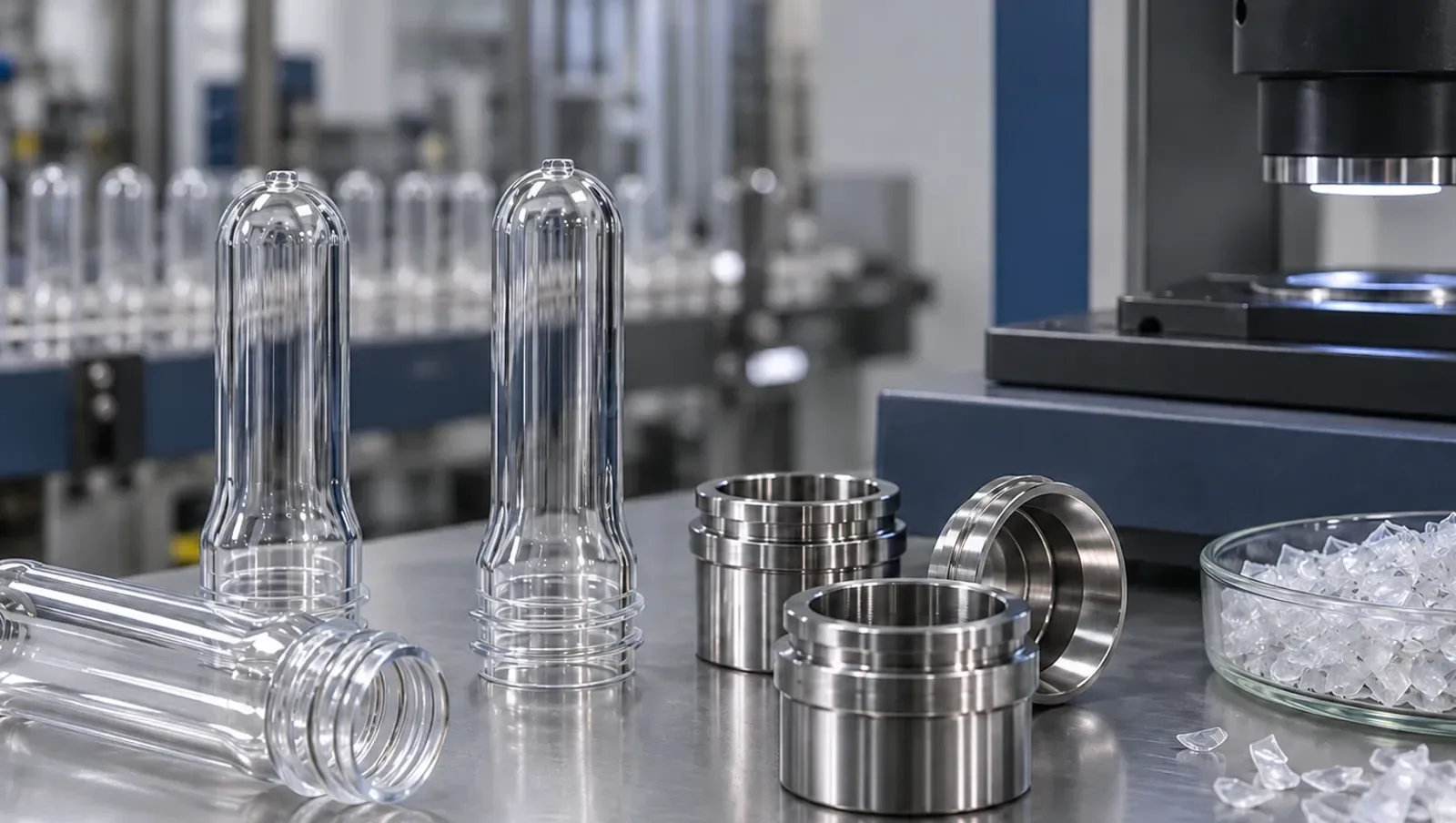
Compare development routes before releasing a design
| Route | What changes | Evidence needed |
|---|---|---|
| Neck lightweighting | Neck or support-ring geometry | Closure fit, handling and sealing |
| Wall lightweighting | Preform material distribution | Bottle wall distribution and package tests |
| Resin trial | Material lot or recycled-content level | Identified resin, drying record and samples |
| Combined development | Geometry and material together | Traceable test sequence and baseline |
| Existing-machine retrofit | Selected mold components | Approved interfaces and installation checks |
| New system | Tooling plus equipment scope | System acceptance and plant integration |
Design the trial so a failure teaches you something
- Retain a production baseline with the approved existing preform and resin. Identify which variable changes in each development run. If geometry, material and process all change without a controlled record, a failed bottle test gives little useful information about the correction required.
- Define the acceptable finished package before chasing lower preform weight. Check the neck, cap and bottle together, including the handling and filling requirements. A thinner preform wall can alter the stretching behavior, so injection acceptance and bottle acceptance must remain separate.
- Confirm what trial equipment the supplier will use and how the plant will reproduce those conditions. Agree how resin preparation, cooling and handling will be documented, and identify the party that supplies resin documentation for the destination market.
- LIHE’s published reduction is a proposal range, not a savings guarantee for a particular bottle. Its tooling scope also leaves the plant and equipment suppliers responsible for agreeing production settings and line integration. Release the design only after the required evidence is accepted.
What recycled resin changes inside a lighter preform
- Recycled PET can arrive with a wider spread of intrinsic viscosity than the virgin grade it replaces. A thinner preform wall leaves less margin for that variation, so ask the resin supplier for the viscosity specification and lot data before deciding how far to cut weight in the same project.
- PET absorbs moisture and degrades through hydrolysis when it is melted wet. rPET flake or pellet that has been stored or blended differently from virgin resin may need its own drying check. Record dryer settings and residence time for every trial lot instead of reusing the virgin-resin settings by habit.
- Recycled content can shift colour, haze and the number of visible specks. Agree the appearance limits with the brand owner first, because a lighter wall makes some defects easier to see and a visual reject at the bottle stage wastes the whole trial run.
- Blend ratio is itself a variable. Running a lower and then a higher rPET share on the same lightweight geometry tells you far more than jumping straight to the final target, and it shows where the process window starts to narrow.
- Food-contact approval belongs to the resin and the recycling process, not to the mold. Collect that documentation from the resin supplier in parallel with the tooling work so that a successful trial is not held up waiting for paperwork.
Run the lightweighting and rPET trial in a fixed order
- Step 1: Mold and blow a reference batch with the current preform and the currently approved resin. Record preform weight by cavity, bottle wall distribution and the agreed bottle tests. Every later result is judged against this reference, so keep the samples and the process sheet.
- Step 2: Introduce the lighter geometry first, still with the reference resin. Check weight per cavity, neck dimensions and gate quality, then blow bottles with the existing recipe and adjust only the blowing parameters needed to reach the reference wall distribution.
- Step 3: Add rPET at the first agreed blend ratio on the lighter geometry. Log resin lot, dryer settings and the injection process window. If defects appear here but not in the previous step, they point to the material or its preparation rather than to the new geometry.
- Step 4: Test the finished bottles from each step against the same criteria: top load, closure application and leakage, appearance, and pressure or heat performance where the product needs it. Keep the step results apart so the effect of weight and resin can be read separately.
- Step 5: Record the weight actually saved per preform and multiply it by planned annual output to estimate resin savings, then decide whether to approve the design, adjust the geometry or hold the blend ratio. Raise the recycled share only through a further trial of the same structure.
LIHE's role in a lightweighting or rPET project
LIHE Precision is one of the candidates named in this article and is also its publisher, so read this section as a supplier statement rather than independent advice. The figures below are published on lihe-preform.com and describe what LIHE offers; they do not replace the staged trial described above.
- Weight reduction: lightweighting proposals aim to take 1 g to 2 g out of a preform through neck or wall-thickness optimization. Whether that amount is achievable on your bottle depends on the trial results, not on the proposal itself.
- Retrofit instead of new tooling: converting existing molds for lightweighting is published at 25% to 40% of a new mold price. Exact cost requires a quotation based on the current mold condition and the proposed changes.
- rPET and neck finishes: custom work includes rPET material trials and special neck finishes such as PCO 1881 and 29/25, as well as production line conversions. A neck finish change also affects the closure, so include the cap supplier in the review.
- Cooling and timing: optimized cooling can reduce neck cooling time by up to 0.5 seconds, and pilot molds are listed at 20 days. Use a pilot tool when you want to test a new geometry before committing a full production mold.
Frequently asked questions
- Is a special rPET mold always necessary?
- Not automatically. The resin, geometry, machine and process must be assessed together. Ask whether the existing tool can support the trial or whether a conversion is required, then validate the proposed arrangement.
- Does a successful resin trial prove food-contact suitability?
- No. Processing success and food-contact documentation are different requirements. The responsible resin and packaging parties must provide the evidence required for the intended market and use.
- Can I reduce weight and change resin at the same time?
- Yes, as a development project, but record both changes and retain a baseline. Structure the trial so that any defect can be traced to a material, geometry or process change.
- What does LIHE’s published lightweighting figure mean?
- It describes proposals to reduce preform weight through neck or wall optimization. The actual design must pass the agreed preform, bottle and closure checks. It is not an unconditional reduction applicable to every package.
References
Related products
Have a mold project? Our engineers can review your requirements.
Request a Quote